
United States of America

Affordable US colleges

Planning Your U.S. Education Journey: A Strategic Guide

Studying in the United States is more than just picking a school. It is about planning your future and finding the path that suits you best. The main question for many students is whether to start at a community college or go straight to a university. Both options can lead to success, but the right choice depends on your personal situation, your goals, and your long-term plans. Why community colleges are a smart starting point Community colleges give you an easy and flexible way to begin your studies in the US. Most courses take around two years to finish and can give you an associate degree or a professional certificate. It is common for community colleges to allow part-time learning and to run courses that begin at different times across the year. This makes it easier to combine learning with work or family responsibilities. Another big advantage is the cost. Tuition fees are usually lower than at universities, which helps you save money and avoid large debt. Classes are smaller, so teachers can give you more attention. This is especially helpful if you are new to the US education system or still learning English. Community colleges also often let you transfer to a university later. This means you can do the first two years at a community college, save money, and then continue your studies at a university if you want. It is a smart way to explore your options, gain experience, and make the right choice for your future. The university path offers depth and opportunities Universities give you a full academic experience. You can study for a bachelor’s degree and continue to higher degrees such as a master’s or a doctorate. Universities offer many subjects, research projects, and special courses to prepare you for professional jobs that need advanced knowledge. Life at university is also about meeting people and building your network. There are halls of residence, student clubs, sports teams, and social events. These activities help you make friends and meet people who could support your career in the future. Universities usually have good links with businesses, which can lead to internships and work opportunities. However, fees are higher and entry is more competitive, so it is important to plan carefully. Making a strategic decision When you plan your U.S. education, think about a few key points: Answering these questions will help you make a decision that suits you, instead of just following what is popular. Both paths can lead to success if you choose the one that fits your life. Finding the path that fits Pursuing education in the United States is a step towards securing your future. Community colleges give you a practical and affordable start and the chance to transfer later. Universities offer a full learning experience, with advanced courses, campus life, and career opportunities. By thinking carefully about your goals, your money, how you learn, and your time, you can make the choice that will help you succeed. Explore life-changing opportunities to move to the United States at Global Visa Support today: https://www.globalvisasupport.com/usa.html. Get in touch with the Global Visa Support team to start your fast-track move to the United States: https://globalvisasupport.com/contact.html.

Planning Your U.S. Education Journey: A Strategic Guide Read More »

study media and arts in USA

Turning Creative Skills into Real Careers: A Practical Guide for Building a Future in the United States

Creativity used to be something extra, a hobby or a side interest you enjoyed in your free time. Today, things are different. Creative work now drives businesses, shapes online culture, and helps brands connect with people in meaningful ways. From digital media to entertainment platforms, organisations are looking for people who can think differently, tell stories, and create experiences that catch attention. Because of this change, creative careers are no longer seen as risky or unclear paths. They are now professional, respected, and in demand, especially for students and young people planning their future in the United States. The real question today is not whether creativity can become a career, but how you can build one that lasts. Start by understanding the creative landscape One of the biggest mistakes beginners make is thinking creativity fits into only one type of job. In truth, creative skills are everywhere. Media careers might include content creation, digital marketing, journalism, social media, or video production. The arts can cover illustration, design, performing arts, or other forms of visual and cultural expression. Entertainment goes even further into film, music, gaming, live events, and streaming platforms that reach audiences worldwide. For those looking to combine study and skill development, many students now explore opportunities to study creative courses in USA, which gives structured learning while preparing for real industry work. Take time to explore what naturally interests you: Your interests usually point you in the right direction, but it is your skills that turn those interests into real opportunities. Discover where your strengths actually fit Passion is important, but skills are what create real professional value. The creative industry is wider than many people realise, and not every role puts you in the spotlight. For example: The best way to find your place is to experiment. Start small with personal projects, hobby work, or a simple online portfolio. Over time, you will notice patterns, and your direction will become clearer. Build proof, not just potential Creative careers rely heavily on portfolios. Organisations and clients in the United States want to see what you can do, not just hear about what you hope to do. That is why experience matters early, even if it is informal. You can build credibility by: When building your portfolio, always focus on quality over quantity. Show your strongest pieces and make them look clear and professional. A small collection of excellent work is much better than a large collection of average work. Think like a professional early Many people imagine creativity as something spontaneous, but long-term success comes from structure and consistency. Your online presence matters. How you present your work, whether on a website, social media, or a digital portfolio, shows others who you are professionally. Share your progress, projects, and ideas in a way that feels authentic but professional. Another important part of having a sustainable career is financial awareness. Some creatives choose full-time roles while others balance freelance gigs with permanent roles. Having multiple sources of income can make life more stable and reduce uncertainty. Why education and industry exposure can help For many students, formal education gives access to tools, guidance, and industry networks that are hard to build alone. Studying in the United States often provides real-world projects, internships, and professional environments that help creatives move into the workforce with stronger skills. The key is not just studying, but using your education as a stepping stone to real experience. Many families also invest in creative career counselling USA to ensure students make informed decisions about courses, internships, and career paths. Turning passion into stability Creative careers rarely succeed overnight. They grow through small, steady steps: Every project adds experience. Every challenge teaches something new. Over time, these small steps give you confidence, recognition, and opportunities. For those who want to focus on entertainment industries, programmes that allow students to study media and entertainment in USA provide a strong foundation for entering film, music, gaming, and digital content careers. The next steps Creativity has never been more valuable professionally. If you commit to learning, practising, and gaining real-world experience, your talent can grow into something much bigger than a hobby in the United States. It can become your future. Exciting programmes from Global Visa Support are available to help you move to the US and start your creative journey. Take the first step today before opportunities pass you by: https://www.globalvisasupport.com/usa.html. You can also get professional help to make your move to the USA simple and stress-free. Contact Global Visa Support directly here: https://globalvisasupport.com/contact.html.

Turning Creative Skills into Real Careers: A Practical Guide for Building a Future in the United States Read More »

Tech and innovation hubs (Silicon Valley, Seattle, Boston, Austin)

Unlocking STEM Success in the United States: A Guide for Students and Parents

If you’re thinking about giving your child (or yourself) the best chance at a global career, STEM careers in the United States are a path worth considering. The US isn’t just home to cutting-edge technology since it’s also a place where ambition meets opportunity. From smart cities and renewable energy to biotech breakthroughs and artificial intelligence, the country is full of careers that didn’t exist a decade ago, and your family can be part of this future. STEM, which stands for Science, Technology, Engineering, and Mathematics, is the foundation behind these industries. Investing in STEM education now means stepping into roles that shape the world tomorrow. For parents who can afford to give their children the right start, and for ambitious individuals seeking international experience, the US offers unmatched access to top universities, professional networks, and innovation hubs. These opportunities are not just about high-paying jobs since they are also about creating real impact, building problem-solving skills, and entering industries that will define the next generation. By choosing this path, you are opening doors to an ecosystem where creativity, research, and technology thrive together, preparing students for a future where they can excel on a global scale. Why STEM in the US is a game-changer The United States is a world leader in technology and innovation, which makes STEM careers there some of the most dynamic anywhere. Artificial intelligence, machine learning, cybersecurity, and renewable energy are just a few of the booming sectors that need talented individuals. The beauty of US STEM careers is that they mix innovation with practicality. Engineers design sustainable cities, health tech specialists create life-saving devices, and software developers solve real-world problems. What makes the US truly unique is the ecosystem surrounding these careers. Top universities collaborate with tech companies to create internships, research projects, and mentorship opportunities. Whether it’s joining a fast-moving start-up in Silicon Valley or a global corporation in Boston, students and professionals gain hands-on experience while working on meaningful projects. Every skill learned in these environments (like coding, robotics, and data analysis) is an asset that can launch an international career. For those who wish to study STEM in the USA, this environment offers unmatched learning and professional growth. Building a winning STEM profile A strong STEM career starts with the right education and practical experience. Across the United States, higher education institutions provide focused courses in areas like computing, engineering, biotechnology, and healthcare sciences. For many families, STEM education for international students is a valuable investment, opening doors to scholarships, internships, and highly competitive jobs after graduation. Certificates, summer courses, and online learning platforms also give students an edge even before stepping on campus. Soft skills are equally important. Critical thinking, creativity, adaptability, and communication help students tackle complex problems, work well in teams, and respond to rapid technological changes. Internships and apprenticeships provide a safe space to develop these abilities, turning classroom knowledge into practical experience. By combining strong technical skills with personal competencies, students position themselves as attractive candidates for leading US companies and research institutions. How to access STEM opportunities in the United States The US is home to some of the world’s most exciting innovation hubs. Silicon Valley, Seattle, Austin, and Boston attract start-ups, research institutions, and global tech firms. These cities are at the heart of tech opportunities in the United States, drawing ambitious students and professionals from across the globe. Start-ups offer the thrill of building something new, while large companies provide stability, training, and a chance to impact millions. Smaller cities are also emerging as strong tech communities, giving you more choices about where to live and work. Accessing these opportunities is easier than many realise. Students and graduates can use internships, university partnerships, and specialised STEM programmes to gain a foothold. International professionals can explore visa pathways and sponsorships to study and work in the US. Initiatives promoting diversity ensure women and underrepresented groups have equal access to STEM education and careers. Networking platforms, professional associations, job fairs, and mentoring schemes help students make valuable connections. Remote and hybrid roles also allow talented individuals to join US-based projects from almost anywhere in the world. Start your STEM journey today STEM careers in the United States are not just roles since they are gateways to a future full of possibilities. From designing advanced machines and coding software to developing medical innovations, these roles shape the world. Families and students who invest in US STEM education are investing in a future of stability, growth, and impact. The time to act is now. By focusing on education, gaining relevant skills, and seeking out opportunities, you can unlock a career that is rewarding, meaningful, and recognised worldwide. The US offers a constantly evolving STEM ecosystem ready for ambitious minds. With the right preparation and guidance, you or your child could be at the forefront of this innovation. With Global Visa Support, you can protect your privacy while taking fast, simple steps towards moving to the United States. Don’t wait, start your journey today: https://www.globalvisasupport.com/usa.html. Get in touch with the Global Visa Support team today and secure expert help to make your move to the US happen. Don’t delay: https://globalvisasupport.com/contact.html.

Unlocking STEM Success in the United States: A Guide for Students and Parents Read More »

US education for international students

Maximising Your Opportunities in the United States: A Strategic Guide for Students and New Graduates

Moving to the United States is not just a change of location but also a carefully planned step that can shape your entire future. The country is full of opportunities, innovative industries, and world-class education, but it also comes with new systems, high expectations, and strong competition. Families often choose this route because they recognise the long-term advantages of US education for international students. For students and recent graduates, the real challenge is knowing how to make every step count. Feeling uncertain is completely normal because even the most successful professionals once navigated these same unknowns, curious, hopeful, and a little unsure. The key to making the most of your time in the US is preparation. The choices you make before you leave, how you engage while you’re there, and the actions you take after graduation all influence the value of your experience. This guide offers practical strategies to help you position yourself effectively, sharpen your skills, and take full advantage of every opportunity—academic, social, or professional. By planning strategically, you can ensure your move is not just a change of scenery, but a springboard for long-term success while studying in the United States. Planning ahead: Setting yourself up for success Success in the United States begins well before you arrive. Start by deciding what you want to achieve—whether it’s academic excellence, professional experience, or networking connections. Having clear goals will guide your decisions, from choosing the right university to selecting programmes that offer strong US university programmes for international students. Planning also means learning about cultural norms, workplace expectations, and the industries that interest you. The more informed you are, the more confident you will feel navigating unfamiliar systems. Strategic planning also involves developing your skills before you leave. While still studying, focus on abilities that are in high demand in the US, such as problem-solving, communication, and digital literacy. Participating in online workshops, extra courses, or volunteer projects gives you a head start. This way, you arrive not just with a passport, but with a clear plan and a toolkit of practical skills to make the most of your time. Taking advantage of opportunities while you study Once you’re in the US, your priority should be positioning yourself for growth. Universities offer career centres, advisors, mentorship schemes, and networking events designed to help students succeed. Using these resources fully is a smart strategy. US student career guidance is not just about landing an internship since it’s also about understanding your strengths, building relationships, and learning how to apply your knowledge in practical ways. Getting involved in student societies, volunteering, and internships can transform your experience from ordinary to exceptional. These activities not only enhance your CV but also teach you about teamwork, leadership, and the workplace culture in America. Many students who study abroad in America find these experiences just as valuable as classroom learning, as they provide practical skills and connections that last well beyond graduation. Maximising your post-graduation advantage Your time in the US is a stepping stone to a brighter future. How you use it after graduation can shape your career. Make the most of the professional and social networks you’ve built, and explore real graduate opportunities in the USA. Alumni networks, industry events, and mentors are invaluable since they often lead to opportunities that aren’t advertised publicly. Building a professional profile, both online and offline, is crucial. A clear CV, a strong LinkedIn presence, and confidence in interviews all show your abilities and professionalism. Progress may sometimes feel slow, but persistence and strategy pay off. By making the most of every opportunity, you can turn your education and experiences into concrete results. Many doors are open, and you just need to take the first step and seize them. Think strategically, act decisively Success in the United States doesn’t happen by chance. It comes from careful planning, deliberate action, and steady effort. Families who work with study in the United States experts gain guidance that helps them make informed choices, while students who actively pursue opportunities gain skills, confidence, and connections that set them apart. Every decision, from the courses you choose to the internships you take, shapes your future. Challenges will appear, but they are opportunities to learn and grow. By planning strategically, preparing thoroughly, and using the resources around you, you set yourself on the path to a rewarding and meaningful future in the United States. Your journey is yours to shape, and your potential is far greater than you might imagine. Find the ideal programme to help you move to the United States with confidence and clarity. Start your journey today with Global Visa Support: https://www.globalvisasupport.com/usa.html. Ready to take the next step but unsure where to start? Let the expert team at Global Visa Support guide you every step of the way with your planned move and get your journey moving today: https://globalvisasupport.com/contact.html.

Maximising Your Opportunities in the United States: A Strategic Guide for Students and New Graduates Read More »

Practical work experience while studying in the USA

Build a Strong Career in the USA Through Internships and Co-op Programmes

In the United States, getting a degree alone is rarely enough to launch a successful career. Employers look for proof that students understand how real workplaces function, how teams collaborate, and how responsibilities are handled on a day-to-day basis. A qualification shows what you have studied, but practical experience demonstrates how you actually use that knowledge. For families investing in study in the USA, this difference can make all the difference. Without real exposure to professional environments, even talented graduates may struggle to stand out. This is where internships and co-op programmes in the USA become essential. They offer structured opportunities for students to gain hands-on experience while still studying, fully aligned with academic requirements and visa rules. Internships are generally shorter and often part-time, while co-op programmes tend to last longer and provide deeper involvement in professional tasks. Both give students the chance to bridge the gap between theory and real-world practice. Turning classroom learning into real skills Internships and co-op programmes give students the opportunity to step out of the classroom and into genuine work environments. What you learn in lectures is applied to real projects, deadlines, and responsibilities. This experience provides a clear understanding of how work really happens in the United States, where accountability, results, and teamwork are central. Learning becomes active, relevant, and purposeful, rather than purely theoretical. During these programmes, students develop practical workplace skills that employers highly value. They learn how to communicate professionally, collaborate effectively with colleagues, and respond appropriately to guidance. Time management becomes second nature as multiple responsibilities must be balanced. Students also gain an understanding of workplace standards such as punctuality, professionalism, and teamwork. These are abilities that cannot be fully acquired from lectures alone. Organisations in the United States place great importance on experience because it demonstrates readiness and reduces uncertainty. Internships and co-op placements offer this experience in a safe, structured environment. Over time, students gain confidence in how they present themselves, contribute to projects, and take responsibility. By the time graduation arrives, the transition into professional life feels natural rather than daunting. Building valuable professional relationships Professional relationships are a critical part of career growth in the United States. While qualifications matter, trust and recommendations often carry equal weight. Networking is not an optional extra; it is a central element of career development. Internships and co-op programmes allow students to cultivate these connections naturally, even while still studying. Students meet professionals who are already established in their chosen field, working alongside supervisors and colleagues who provide guidance based on real performance. Feedback from mentors helps students recognise their strengths and areas for improvement, enabling them to refine their skills and make better career decisions. Relationships formed in this way are built on shared responsibility and collaboration, not forced interactions. One of the most valuable outcomes is access to strong references and recommendation letters. In the United States, these are highly respected because they come from people who have seen the student’s work first-hand. Over time, these professional connections can guide career direction, open doors to new opportunities, and provide long-term support well beyond graduation. Gaining clarity and planning for the future Many students begin university without a clear sense of which career suits them best. Internships and co-op programmes offer a practical way to explore different roles, industries, and work environments before making long-term decisions. By experiencing daily responsibilities and observing workplace dynamics, students gain insights that coursework alone cannot provide. This exposure helps students understand their strengths, the types of work that motivate them, and the environments where they perform best. With this knowledge, career choices are informed and confident, rather than guesswork. Students are less likely to commit to paths that do not align with their skills or values. Strong performance during internships or co-op placements can even lead to ongoing opportunities with the same organisation after graduation. Even if this does not happen, the experience remains highly valuable. Employers recognise candidates who have proven themselves in real settings. Short placements can have long-lasting benefits by strengthening profiles, improving decision-making, and shaping future career opportunities. A practical investment in a US career Internships and co-op programmes support students at every stage of early career development. They provide practical skills, professional exposure, and meaningful connections before graduation. Rather than simply observing the professional world, students actively participate in it. Each experience boosts confidence and deepens understanding of how careers develop in the United States. These programmes allow students to start their careers with clarity and assurance. Graduates know what is expected of them, how to contribute effectively, and where they want to progress. Internships and co-op placements are not optional extras; they are structured pathways that link education with long-term career success. Explore Global Visa Support’s most in-demand programmes today and secure the right pathway to move to the United States: https://www.globalvisasupport.com/usa.html. Global Visa Support offers expert, trusted guidance. Get in touch today and begin your move to the USA before valuable opportunities pass you by: https://globalvisasupport.com/contact.html.

Build a Strong Career in the USA Through Internships and Co-op Programmes Read More »

The Rise of Smart Cities, Technology, and Urban Growth in the United States

Imagine walking through a city where streetlights turn off when no one is around, buses change routes depending on where people are, and your phone helps you find the nearest parking space. This isn’t a story from a movie—it’s real life in many cities across the United States. These cities are now using smart technology to become cleaner, safer, and better connected. This technology is changing how we use energy, how traffic moves, and how people live in the city. It helps save time and money. It also makes life easier and better for everyone. What makes a city “smart”? A smart city uses technology to make life better for people. It collects information from everyday things, which includes traffic, electricity, and safety, and uses that information to solve problems quickly. With fast internet, smart machines, and good planning, smart cities become cleaner, safer, and easier to live in. The most important part is that all the systems work together and help city leaders make good decisions for everyone. Smart technology in the United States is already making daily life easier. In New York City, LinkNYC kiosks give you free Wi-Fi, let you charge your phone, and help you find local services—all on the street. In San Diego, smart streetlights collect information about traffic, air, and people walking, so the city can quickly make streets safer and brighter. These smart tools use strong technology like the Internet of Things (IoT), artificial intelligence (AI), and fast 5G internet. Some tools find water leaks, while others help you plan your travel. Each one helps the city work better and faster. How smart technology helps cities grow Cities in the United States are growing fast, and this brings more jobs and opportunities for people, though it also brings problems. As more people move to the cities, traffic gets worse, pollution increases, and it becomes harder to find homes that people can afford. Cities suffer from busy streets, long travel times, and higher rent. Without smart planning, city life can become more stressful, more expensive, and less enjoyable. Smart technology is already helping solve problems. Some buses can now drive themselves and change their routes based on where people need to go which helps reduce traffic. Smart buildings use less electricity and are better for the environment. City planners also use computers to design cheaper homes faster and use land in a better way. And these are all happening now. Smart power systems send electricity where it is needed most. Special sensors in parks and green areas check the air and water to keep them clean. These tools make daily life easier and help keep people and nature safe. How smart cities use technology to help people and hear their ideas In a smart city, it’s easier for you to get services and share your ideas. You can use your phone to apply for building permits, licences, and the like, without going to an office or waiting in queues. You can also join online meetings where local leaders talk about plans for the city. If you see a problem, like a broken streetlight or rubbish not collected, you can report it through an app. Some cities also let you give your opinions through short surveys or messages. These tools help you stay informed and have a voice in your community. Open data is helping cities become more open and fair. Local governments now share real-time information about things like air quality, spending, and city plans. This helps build trust because people can see what is happening. You can now use online tools (like surveys and digital maps) to give your opinion on projects in your area. City leaders can use your ideas to make better decisions. What’s next for smart cities in the US Smart cities in the United States are changing how people live. With new technology, things like transport, energy, housing, and local services are becoming better. Cities are becoming faster, cleaner, and more helpful. For example, traffic lights can change with traffic, and apps can give you updates about your area. These tools help cities grow in a smart way. But smart cities are not just about technology. Tey are also about people. The goal is to make your daily life easier, safer, and more enjoyable. See if the programmes from Global Visa Support can help make your move to the United States easy and worry-free: https://www.globalvisasupport.com/usa.html. Start your journey to the US with expert help from the Global Visa Support team, so your move is stress-free from the very beginning: https://globalvisasupport.com/contact.html.

The Rise of Smart Cities, Technology, and Urban Growth in the United States Read More »

American suburb house

Easy Guide to Cheap Housing and Home Buying Trends in America

Have you ever dreamed of owning a home without spending too much money? You are not alone. In the United States, house prices have become very high, and many people feel they can no longer afford to buy a home. But there is good news. Affordable homes still exist, and many people are finding smart and simple ways to buy them without using all their savings. While big cities are getting more expensive, smaller towns and growing areas are giving people like you a real chance to find a good home at a better price. What is affordable housing? Affordable housing means a home that you can pay for without spending more than 30% of your monthly income. If your rent or mortgage stays within that amount, it is considered affordable. But affordable housing doesn’t only mean small houses or homes in faraway places. It includes different options, like government-supported flats, low-cost starter homes, and shared ownership—where you buy part of the home and pay rent for the rest. These housing options are especially helpful for people who are buying a home for the first time. They are also a good choice for individuals and families who earn a low or average income. Many people today cannot afford the high cost of homes, but affordable housing gives them a real chance to buy one. It helps them stay within their budget while still living in a safe and comfortable place. Where to find cheap homes in the US If you want to buy a home in the United States without spending too much, there are still many cities and towns where prices are more affordable. In places like Toledo, Ohio and Peoria, Illinois, you can find houses that cost less than the average home price in the country. In the southern states, cities like Chattanooga in Tennessee and Huntsville in Alabama offer both low house prices and more job opportunities. In the western part of the United States, Pueblo, Colorado and Sioux Falls, South Dakota are quiet, friendly places where homes are still affordable for regular families. Many people in the United States are moving out of big, expensive cities and choosing to live in more affordable places. Because remote work is now common, you don’t need to live close to your office anymore. This means you can move to a cheaper area and still do your job. You can enjoy lower local taxes, smaller school classes, and friendly communities where people support one another. If you are buying a home for the first time, you can look at states like Indiana, Mississippi, and West Virginia. These states have cheaper homes and also offer help for new buyers who want more space, less stress, and good value for money. How buying a home is starting to change Buying a home in the United States now is not the same as it was a few years ago. Today, you can look at houses, take online tours, and even make an offer—all while sitting on your sofa. Certain websites have made the steps easier and faster. Many banks and lenders now give mortgage approvals online, sometimes in less than one hour. Before talking to a property agent, buyers can already use online tools to compare loan interest rates, plan their payments, and check prices in different areas. Millennials and Gen Z are leading the change in how people buy homes. Many people are now choosing easier and more flexible ways to buy a home instead of using the traditional process. Some choose rent-to-own options, while others prefer shared ownership, where the buyer and an investor share the cost of the home. The government also offers help through financial grants, loans with low interest rates, and tax benefits. These younger buyers are looking for homes that are affordable, practical, and environmentally friendly. They like homes with simple, smart designs, located in neighbourhoods where they can easily walk to shops, schools, and other places. They also care more about long-term value. Your next step to owning an affordable home You can own a home you can afford if you have the right information and tools. It starts with understanding what “affordable” means and knowing which places in the United States still have homes available at good prices. The way people buy homes is changing, and this is creating more opportunities for first-time buyers, families, and anyone looking for a new beginning. Find out how you can fast-track your move to the United States by picking the perfect programme for your goals—right here with Global Visa Support: https://www.globalvisasupport.com/usa.html. The expert team at Global Visa Support are ready to help you make your move to the USA—get in touch with them today and take the first step: https://globalvisasupport.com/contact.html.

Easy Guide to Cheap Housing and Home Buying Trends in America Read More »

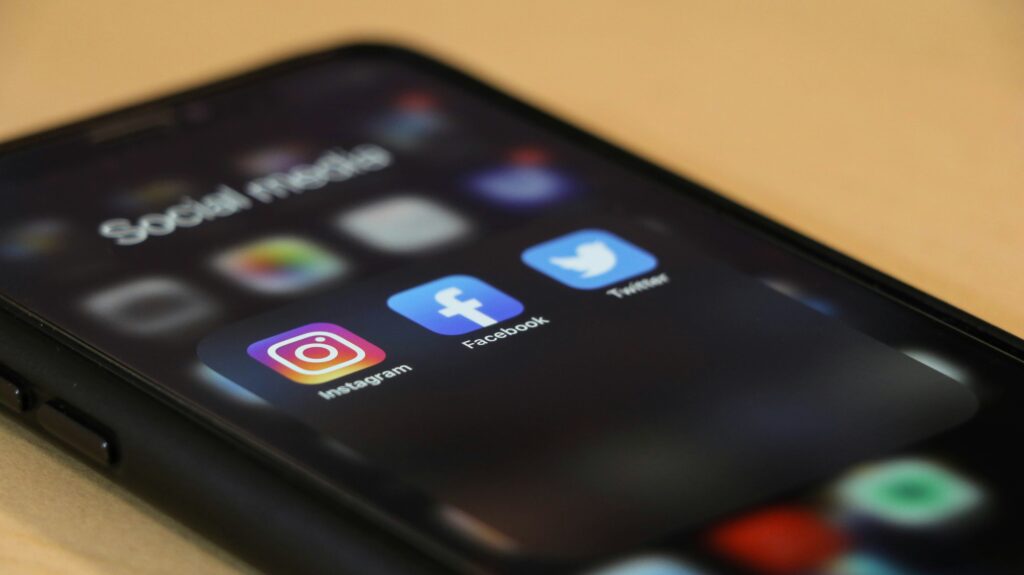
How Facebook, TikTok, and Twitter Are Changing America

You wake up, grab your phone, and in just a few seconds, you see what’s popular, who is winning in politics, and the newest dance trend. Facebook, TikTok, and Twitter don’t just show you posts—they help shape your day. These apps are where you now get your news, fun videos, and even serious stories. They give you updates right away, much faster than newspapers used to, and they change how you see and understand the world. Social media is not just for fun since it is also now a strong tool that changes how people in the United States talk, create, and take action. You might watch a short TikTok video that starts a big conversation, read a tweet that many people share because it talks about an issue, or join a Facebook group that shares your beliefs. When you do this, you are part of something bigger. These apps can affect how you think, feel, and make choices. How people in the United States talk and share online Social media has changed the way people in the United States talk and share ideas. On Facebook, TikTok, and Twitter, you can post right away as things happen. There’s no need to wait for the evening news—you see updates in real time. You can share your thoughts through a comment, a short video, or even memes. Your post becomes part of a much bigger online conversation. You can also meet people online who think like you. If you are a new parent looking for help, enjoy a rare hobby, or want to learn about strong political ideas, there is a group or post just for you. These online spaces can give you support, help you feel understood, and show you that you are not alone. But sometimes, this connection can also cause problems. Social media often shows you posts that match your own ideas and hides others. This can keep you in a bubble, where hearing a different opinion feels like an attack. Arguments get worse, and the truth becomes hard to see. Even though social media was created to connect people, it also controls what you see, shapes how you feel, and makes real conversations more difficult. How popular ideas and movements begin on social media You no longer need a stage or studio to become popular. One viral TikTok can make you well known. A dance, a short video, or a funny skit can bring you thousands of followers very quickly. Now, influencers can be students, shop workers, or artists with a phone and a creative idea. These trends can change the way you speak, dress, and see the world. Memes become a common way to communicate. Popular videos can affect what you buy and how you think. Young people, especially Gen Z, are leading this change with their humour, honesty, and new ideas. Their voices are strong and reach many people. They talk about important and hot topics like gender and climate change. If you use social media, you are already part of this change. Social media not only shows what’s happening in the world—it also helps shape it. Hashtags and headlines You don’t need to actually join a street protest to make your voice be heard. One post with a hashtag can connect you to millions of people who want the same change. Movements like #BlackLivesMatter and #MeToo became stronger because many people shared their stories online. Today, political campaigns use viral posts just like they use speeches. Activism is now online, where messages spread quickly and loudly. You have a voice, and you can use it to speak up and support what you believe in. But using social media also comes with problems. On Facebook and Twitter, it’s hard to know what’s true. Fake accounts and false news spread quickly. You often see posts that match your opinions, so you miss other opinions and views. Should you stop using social media or keep going? Facebook, TikTok, and Twitter are now changing how you live, talk, and think. They affect what you talk about, what you care about, and who you connect with. These apps have changed how people stay in touch. They let you share your ideas, join in with culture, and be part of politics. They are more than just apps—they help shape life in the United States. Do you want to start a new life in the United States? Global Visa Support can help you find the best programme to make it happen: https://www.globalvisasupport.com/usa.html. Want to move to the USA? Get help from Global Visa Support to make your move easier and more successful: https://globalvisasupport.com/contact.html.

How Facebook, TikTok, and Twitter Are Changing America Read More »

New Business and Investment Ideas in the US Market

The United States has one of the most active and diverse markets in the world. It has the largest economy, a strong legal system, and many consumers. Whether you want to start a small business or invest your money, the US offersmany good opportunities. And your success will come from being creative, planning well, and making smart choices. New business opportunities in growing US industries You can benefit from fast-growing industries in the US that are changing the economy. Technology is leading the way, with many jobs available in cybersecurity, software, and artificial intelligence. Green energy is also growing, as more people choose eco-friendly packaging, electric cars, and solar power. Healthcare is needed more than ever, creating new opportunities in wellness coaching, online doctor services, and care for older people. Online shopping is also becoming more popular, with more people buying things online and having these delivered to their homes. These growing industries are not only for experts or big companies. You can start small and still do well. For example, you could create a mobile app that addresses common daily issues. You could also sell eco-friendly products online or offer support services to doctors and health workers. If you enjoy working with your hands, you might open a small shop that fixes electric bikes. Or, if you like helping others, you could help local businesses build their websites and sell online. People today want services that are fast, easy, and good for the planet. With a good plan and the right tools, you can find your place in these fast-growing industries and build something meaningful. Popular investment options and why people like them In the United States, there are many simple ways to invest your money. Some people choose to buy shares in strong companies because this can help their money grow over time. Others invest in houses or apartments, which can give steady income from rent and an increase in value over the years. You can also put your money into mutual funds, which spread your investment across many companies. This helps lower the risk while still giving you a chance to earn. If you’re open to taking more risks, you might invest in new businesses, especially in tech, health, or green energy, which can give big rewards if they succeed. More people are changing the way they invest. Many now prefer to support companies that are good for people and the environment—these are called ethical or ESG investments. Some prefer tech-driven funds, where computers and artificial intelligence handle the investments. If you’re new to investing, it’s important to know what you want to achieve and how much risk you can handle. If you prefer to play it safe, government bonds and index funds are good options. But if you’re open to more risk, you might look into tech companies or funds that aim for faster growth. Always take time to learn, start small, and use trusted platforms. Investing isn’t about luck—it’s about smart choices and good timing. Get ready to succeed in the US market To succeed in the US market, the first thing you need to do is learn about it. Find out what your customers need, what they like, and how they spend their money. Look at your competitors to see what they sell, how much they charge, and what is popular. This will help you create a product or service that solves real problems and is different from others. Research also helps you decide the best time and place to start, and how to promote your business. You should also make sure to handle the legal and financial aspects of your business properly. Make sure your business is properly registered, get the right licences, and follow tax rules. You can explore ways to get funding, like small business loans, private investors, or help from the government. Try to build a network by connecting with other business owners, experts, and mentors — they can share helpful advice and open new opportunities. Take advantage of digital tools to create your online profile, simplify everyday tasks, and monitor your growth. Important steps to start and grow in the US market Whether you want to grow your investments or start a business, the US market has many exciting opportunities for you. Fast-growing areas like technology, green energy, healthcare, and online shopping offer great opportunities. You can also build your money and help important future industries in the United States by investing in things like stocks, property, mutual funds, and ethical businesses. If you plan ahead, adapt quickly, and keep learning, you can succeed in the US market. Having the right attitude and a clear plan helps you build something strong and lasting. Are you unsure about how to move to the United States? LetGlobal Visa Support’s programmes guide you in getting started: https://www.globalvisasupport.com/usa.html. With Global Visa Support, you can avoid stress and getexpert help with your move to the United States: https://globalvisasupport.com/contact.html.

New Business and Investment Ideas in the US Market Read More »

How People Celebrate Different Cultures, Local Festivals, and Cultural Events in the United States

The United States is a country full of different cultures, each with its own unique traditions, languages, and history. Together, they make the country unique. Festivals and cultural events are important because they bring people from all backgrounds together. These events are more than just fun— they help people remember their heritage, share stories, and show respect for each other. At these celebrations, you can enjoy colourful parades, traditional music, and delicious food from many cultures. Why cultural holidays are important Cultural festivals are special events where people celebrate their history, traditions, and culture. They are important because they help people feel proud of where they come from and keep their culture alive. When you go to a cultural festival, you see stories and traditions that have been shared for many years. These events offer an opportunity to discover new traditions and help people appreciate and respect one another more deeply. At these events, you’ll see what makes each culture special. You might taste traditional food with interesting flavours, hear music that mixes old and new styles, and watch dances that tell stories or show joy. People often wear colourful clothes that show pride in their culture and are made with great care. All these things help you learn and enjoy a culture in a fun way. When you join these celebrations, you have fun and also learn about the history and values of different communities. Cultural celebrations in different communities Local celebrations across the US show you the special traditions of different cultural groups. For example, during the Chinese New Year in San Francisco, you can see bright lanterns, dragon dances, and enjoy traditional Chinese food. It is a fun and respectful way to welcome the new lunar year. In Texas and California, people celebrate Hispanic Heritage Month with colourful music, traditional dancing, and tasty food. These events show the important role of Hispanic communities. In many states, Native American powwows also take place. At these events, you can see traditional dancing, drum music, and handmade crafts that honour Native American culture and beliefs. These celebrations are fun, and they also make people feel proud of their culture. When you join, you can see how they help others learn about different cultures, break stereotypes, and teach people to respect each other. These gatherings unite people from various backgrounds to share experiences and learn from each other. By joining local celebrations, you help keep cultures alive and support peace and unity in the diverse society of the United States. How cultural events bring people together Cultural events are a wonderful way to connect people. They help different communities understand and respect each other. When you go to a festival, you join a shared space where people celebrate different cultures. You can try new food, listen to music, and watch dances from around the world. These fun experiences help people connect, talk, and make new friends. People from different backgrounds often become friends at these events as they find fun ways to celebrate together. At a food market, strangers might enjoy a meal together, or neighbours might dance side by side in a parade. These happy moments show how cultural festivals help people understand and care for each other. Joining these events helps create a kind and welcoming community where people see differences as something valuable and special. Bringing people together through cultural events Celebrating different cultures with festivals and events is an important part of being in the United States. These events show respect for the special customs and history of many groups. When you join local celebrations, you learn about the stories and traditions that are part of your neighbours’ lives. This helps you understand more about the many different people who live in the United States. When you go to cultural events, you help bring the community closer together. These celebrations give you a chance to learn, meet new people, and enjoy the special traditions that connect everyone. When different groups share their customs openly, people learn to respect each other, and barriers disappear. This helps create peace and teamwork, making the community stronger. Enjoying festivals and different cultures is more than just having fun — it helps build a happier and united society for everyone. Use the great programmes from Global Visa Support to helpyou move to the United States more easily: https://www.globalvisasupport.com/usa.html. Get ready to move to the USA by getting assistance from the expert team at Global Visa Support: https://globalvisasupport.com/contact.html.

How People Celebrate Different Cultures, Local Festivals, and Cultural Events in the United States Read More »