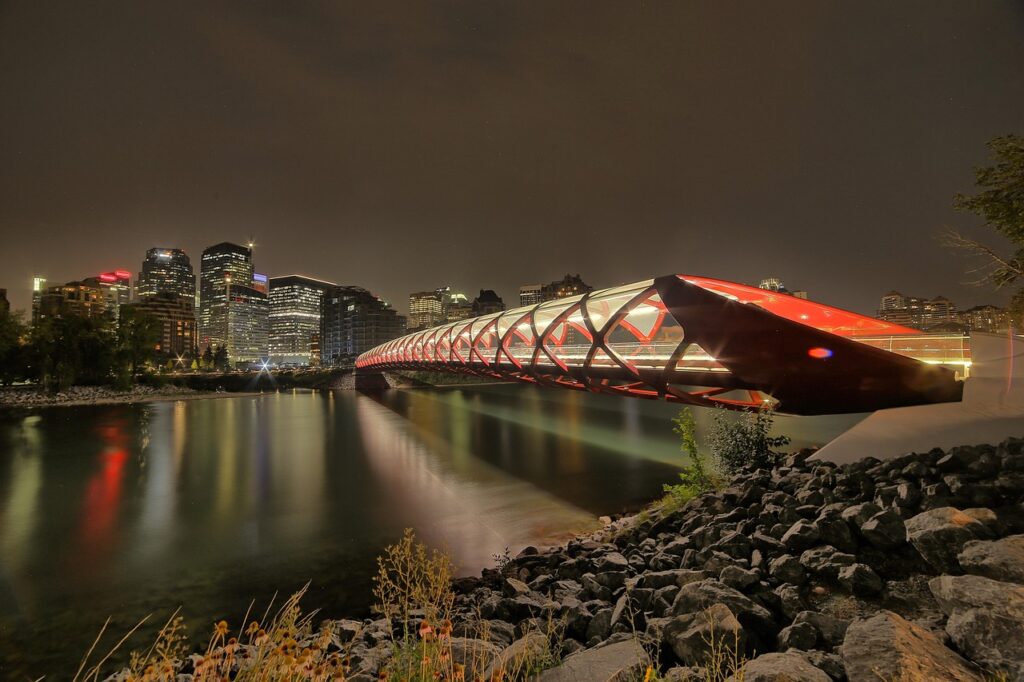
The Sun’s Down, Now What? Safe Nightlife Picks in Canada
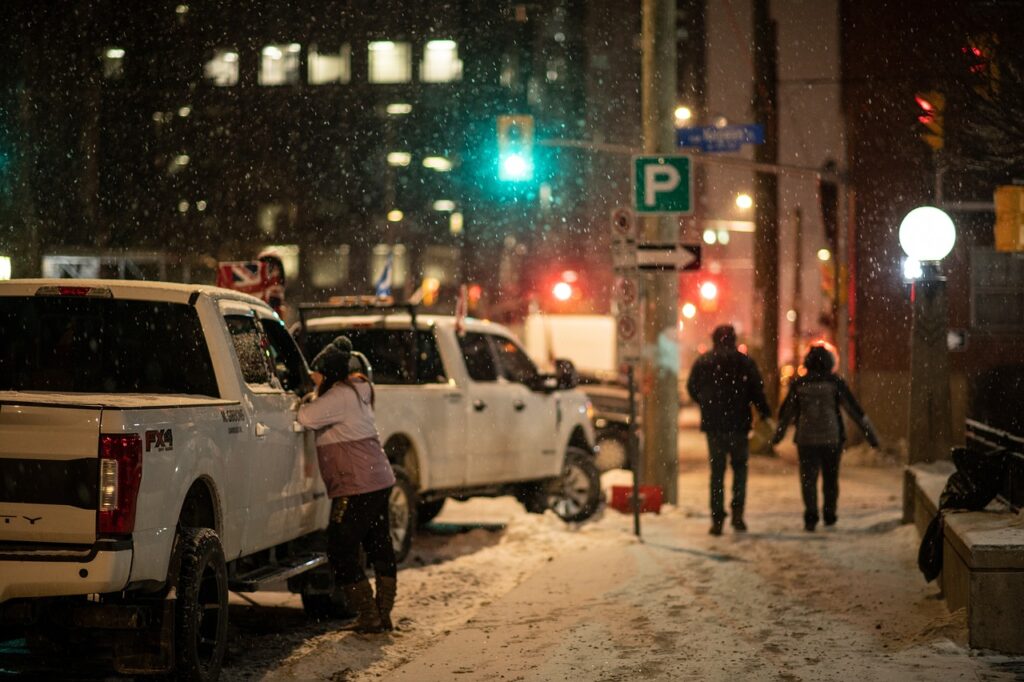
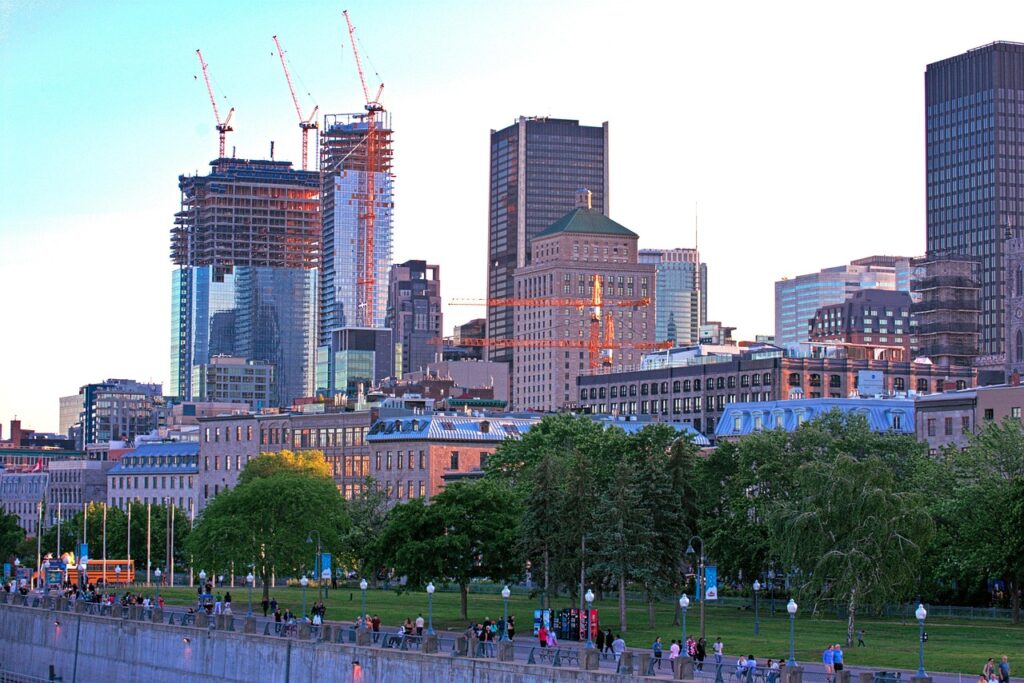
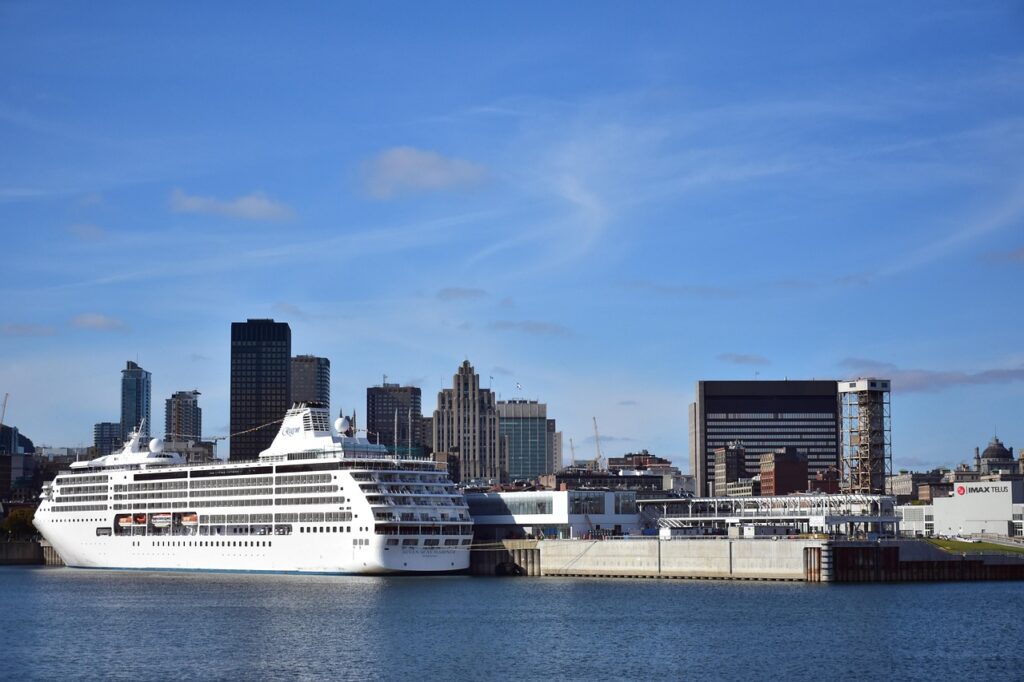
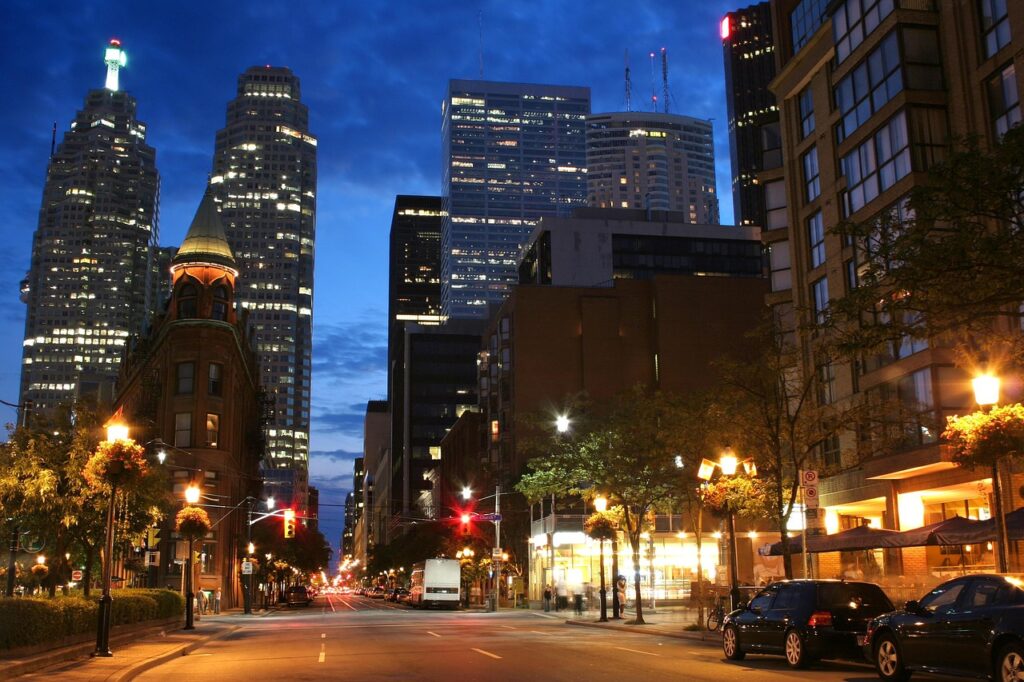
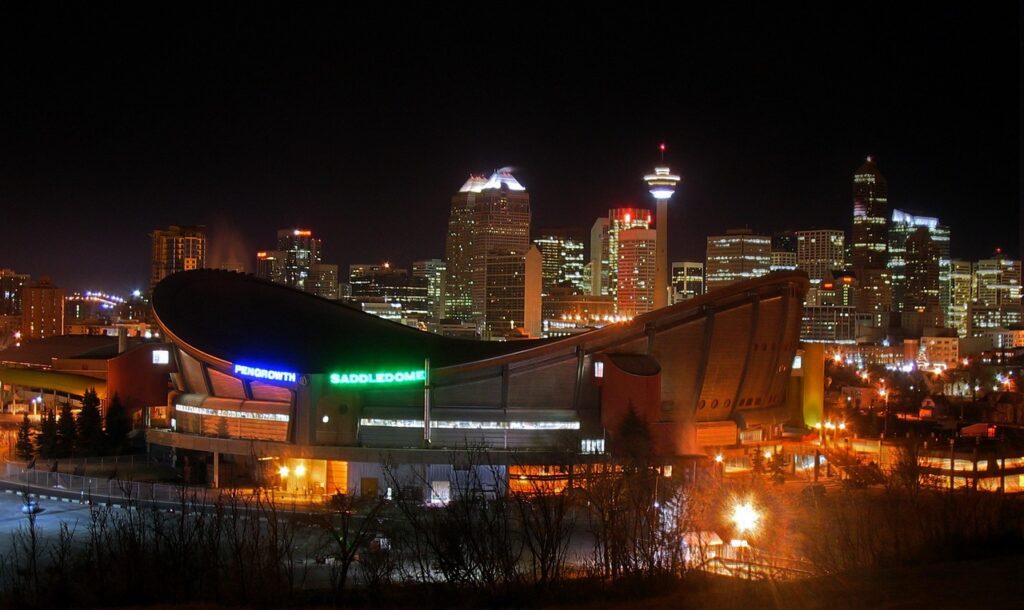
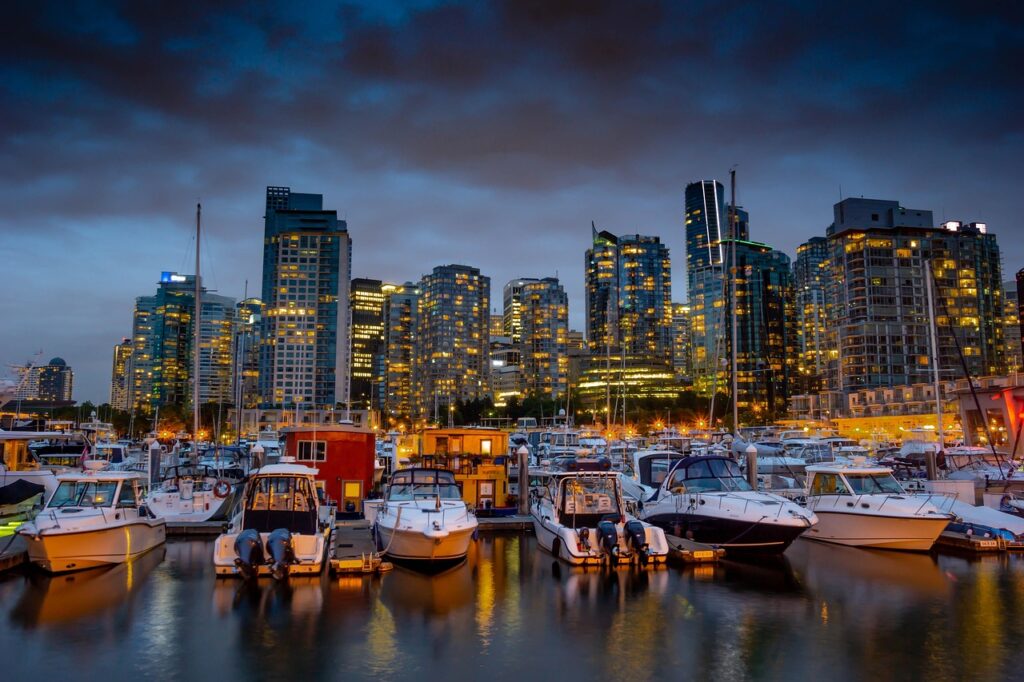
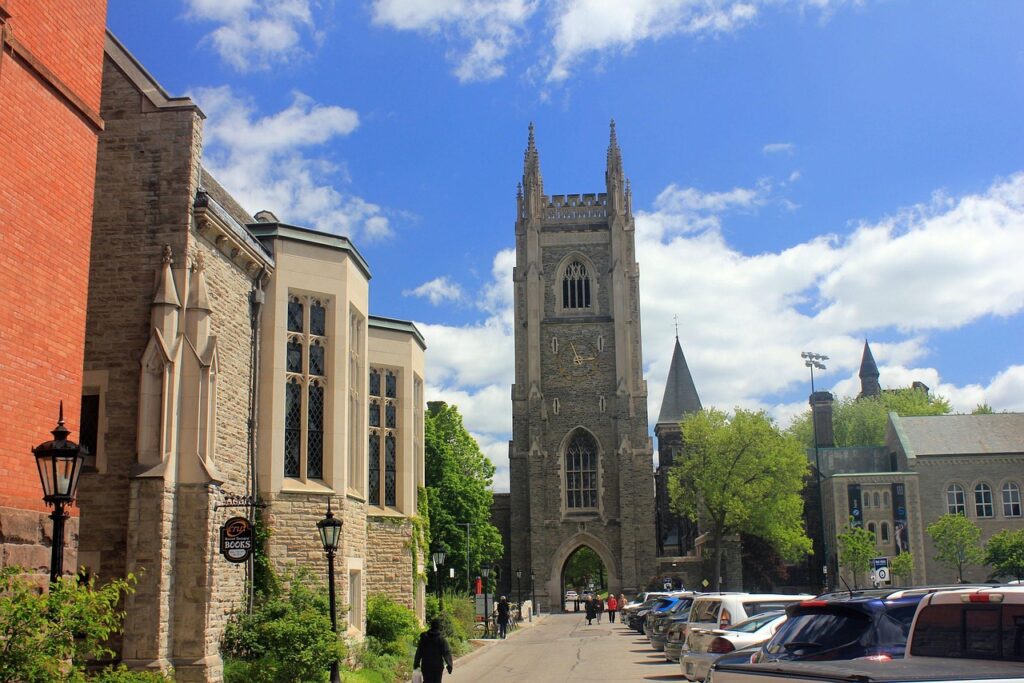
Canada after dark is not just about bars and clubs. From live music and late dinners to cultural shows and busy neighbourhoods, you can enjoy your evening in many ways. With a little planning, you can see a different side of Canada when the city lights come on. When the day ends, the fun doesn’t When you visit Canada, you do not have to go straight back to your hotel when the sun goes down. Many cities have plenty to see and do in the evening. You can enjoy good food, music, shows, and local events. Pick places that suit your plans and feel comfortable for you. A little planning can also help you make the most of your night. Start with the kind of night you actually want Think about what you would like to do before choosing where to go. You might want a quiet dinner, live music, a theatre show, or a walk through a busy area. A café or dessert shop can be a nice choice if you want a slower evening. Look for well-known venues in active areas, and check opening times, event schedules, and transport before you leave. Toronto: Bright lights and big city options Toronto has plenty of ways to enjoy the city after dark. You can choose from restaurants, cafés, live music, theatre, clubs, and many other types of entertainment. With so many options, you can build your night around something you already enjoy. For a more relaxed evening, choose places that are close to each other. This means you will not need to travel through unfamiliar areas late at night. If you are going to a concert or having dinner, think about your journey back to your hotel before you head out. Having your transport planned can make the night much easier. Vancouver: A night out with a scenic side Vancouver is a good choice if you want to go out without spending the whole evening in a nightclub. You can enjoy restaurants, live music, cocktail lounges, and other entertainment in areas such as Granville Street, Gastown, Yaletown, and Mount Pleasant. You can make dinner part of your evening and then see a show afterwards. Choose a scheduled event or a well-known venue, and plan your transport ahead of time. If you are visiting Canada to study, organise the documents needed for application for study before you travel. This gives you one less thing to worry about once you arrive. Montréal: Food, culture, and evening energy Montréal offers a lively night scene with plenty of local character. You can have dinner, listen to jazz, see a concert, enjoy a cabaret, or go dancing. You do not need to visit a club to have a fun night in the city. Check event times and venue details before you go, especially during festivals. Popular events can get busy, so planning ahead can save you time. If you are staying in Canada for longer, help with visa and work permit processing can also make it easier to prepare before your trip. Smaller cities can have big evening experiences Canada’s smaller cities can offer just as much fun after dark. Look for local theatres, seasonal festivals, community events, restaurants, and live performances. Some places may not have a large nightlife district, so check local event listings before you go. Good travel planning matters too. From choosing a place to stay to getting your important documents ready, comprehensive visa assistance services can help you deal with the paperwork while you focus on your plans for Canada. Simple rules for a safer Canadian night out A few simple choices can help you enjoy your evening. Stay in busy areas, keep your phone and valuables close, and carry your hotel details with you. Plan your journey home before you go out, especially if you expect to stay out late. If you drink, be responsible and never drive afterwards. Do not forget about the weather. Canadian nights can be very cold, especially in winter. Check the daily forecast before you actually leave and dress accordingly. If you will be walking between places, make sure you are prepared for the weather. Make every evening count A night out in Canada does not have to be loud or focused on alcohol. You can see a concert in Toronto, enjoy dinner and entertainment in Vancouver, or explore Montréal’s food and music scene. Choose activities that suit you, plan your evening well, and you can enjoy a memorable Canadian night long after the sun goes down. To move to Canada faster, choose the best programme to help you get there with Global Visa Support: https://globalvisupport.com/canada.html. Professional help with moving to Canada can make all the difference, so contact Global Visa Support now before you miss your chance: https://www.globalvisasupport.com/contact.html.
The Sun’s Down, Now What? Safe Nightlife Picks in Canada Read More »