Things Nobody Warns You About Before Moving to Spain (The Fun Kind)
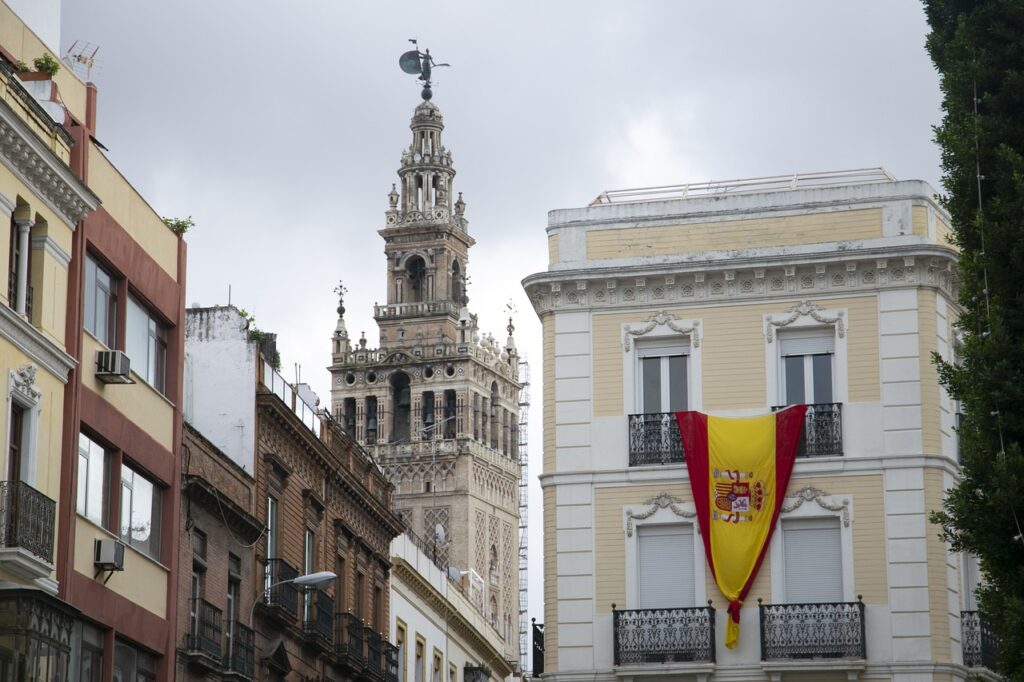
You probably picture sunny beaches, delicious tapas, and streets filled with historic buildings. Those are certainly part of life in Spain. Yet the biggest surprises are often much smaller. They appear in your daily routine, your conversations, and the way people spend their time. Before long, you may realise that these simple moments are the ones you enjoy most. The best surprises begin after you arrive Preparing to move to Spain usually means arranging documents, finding a place to live, and learning about healthcare. If you are starting your Spain visa application, speaking with a visa specialist or using trusted Global Visa Support services can help you understand the legal pathways to move to Spain before your journey begins. Those practical tasks are important, but they cannot fully prepare you for everyday life. Once you arrive, you notice that life feels different in quiet and unexpected ways. People seem to have more time for one another, ordinary routines become enjoyable, and daily life feels less hurried. These are the moments that often leave the strongest impression, even though few guidebooks mention them. You’ll start measuring time differently One of the first things you notice is that Spain follows its own timetable. Lunch often takes place in the early afternoon, while dinner may not begin until 9 p.m. or later. At first, that can seem strange. After a few weeks, however, you may wonder why you ever ate so early. The evenings have their own special atmosphere. Parks, cafés, plazas, and restaurants stay lively long after sunset. Families spend time together, friends enjoy long conversations, and children continue playing outside. Instead of rushing through the evening, people make the most of it. You may soon find yourself doing exactly the same. Walking is not exercise anymore but a part of everyday life Walking becomes part of your day without much effort. Many Spanish towns and cities are designed so that cafés, bakeries, supermarkets, pharmacies, and local squares are only a short walk away. Everyday errands no longer feel like chores. They become another reason to enjoy your surroundings. You will also notice the evening stroll, a tradition that many local people enjoy. They walk not because they have somewhere to go, but because they enjoy the fresh air and each other’s company. It is a simple habit, yet it often becomes one of the most enjoyable parts of daily life. Every neighbourhood has its own personality Every neighbourhood has a character of its own. One area may be known for its busy market, while another is filled with quiet cafés and family-run shops. Walking only a few streets can make you feel as though you have entered a different town. As time passes, familiar places become part of your routine. The baker remembers your favourite loaf, the café owner welcomes you with a smile, and the local plaza becomes somewhere you naturally return. These small moments create a sense of belonging that many newcomers do not expect. Conversations rarely feel rushed In Spain, conversations often matter as much as the reason people meet. A quick stop for coffee or bread can easily turn into a friendly chat. Rather than seeing conversation as something that delays the day, many people see it as an important part of it. The same approach continues at mealtimes. Friends and families often stay together long after they have finished eating. There is no real pressure to leave the table quickly. Instead, people enjoy the chance to talk, laugh, and simply spend time together. Festivals seem to appear out of nowhere Living in Spain also means discovering celebrations when you least expect them. One day your neighbourhood is quiet. The next, it is filled with music, colourful decorations, food stalls, and cheerful crowds. Many festivals belong to individual towns or neighbourhoods rather than the whole country. They may include traditional dances, parades, concerts, fireworks, or customs that have been celebrated for generations. Taking part in these events allows you to experience local life in a way that visitors rarely do. You learn that “doing nothing” can actually be productive Perhaps the biggest surprise is learning that slowing down can improve your day. Sitting in a plaza with a coffee, talking with friends, or simply watching people pass by is not seen as wasting time. It is a chance to enjoy the present instead of always thinking about the next task. This way of living encourages a healthier balance. You begin to appreciate ordinary moments instead of constantly looking for something bigger. In time, you may realise that your happiest memories are often made during the simplest afternoons. The little things become the biggest memories Moving to Spain offers far more than beautiful scenery and famous food. The greatest surprises are found in everyday life, where later meal times, evening walks, friendly conversations, and local festivals gradually become part of your own routine. Whether you are moving for a fresh start, retirement, or education, careful planning makes the journey much easier. If you are studying abroad, a student visa specialist or a reliable visa consultancy service for studying abroad can help you prepare before you leave. Once you arrive, you may discover that the moments you remember most are not the famous sights. They are the small experiences that slowly turn Spain into a place that truly feels like home. Choose the Global Visa Support programme that suits you best and start your move to Spain today: https://globalvisasupport.com/spain. Your move to Spain starts here, so get trusted professional support from Global Visa Support today: https://globalvisasupport.com/contact.html.
Things Nobody Warns You About Before Moving to Spain (The Fun Kind) Read More »