student visas

Step Into the Past: Fun Adventures in New Zealand’s Museums and Historic Spots

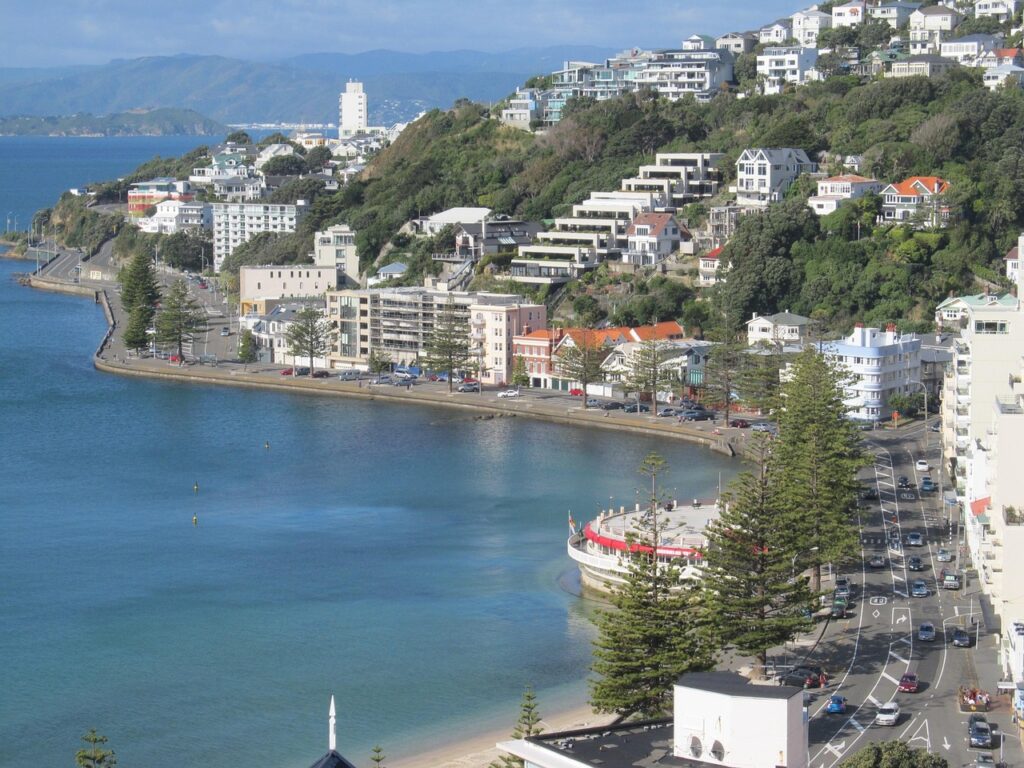
This is the heart of New Zealand, where you can see, touch, and experience history instead of just reading about it. This is a place where stories of early settlers and brave explorers mix with old Māori legends. Each area of the country, from the high mountains to the sea, has a unique story to share. In New Zealand, history is kept alive in the culture, beautiful buildings, and important objects. It’s real, full of life, and ready for you to discover.   Museums you can explore   Museums in New Zealand are more than just quiet places; they make history exciting and interactive. At Te Papa Tongarewa in Wellington, you can learn about Māori stories using modern displays and technology. Experience the force of nature in the earthquake simulator or step into virtual reality to watch ancient legends come alive. You’re free to touch, discover, and ask questions, turning it into a fun, hands-on adventure.   The excitement in museums across New Zealand is the same. At the Canterbury Museum, you can dress up like a settler and take old-style photos. At the Otago Museum, you can launch rockets and learn about space in the science area. While adults enjoy live shows and cultural talks, children can join craft classes or go on treasure hunts. These activities make history fun and memorable. You don’t just learn, you get involved.   Each visit to New Zealand’s museums is both educational and enjoyable, mixing old stories with new ideas. No matter what you’re interested in—nature, culture, or world history—there’s something that will catch your attention and stay with you long after your visit.   Step back in time   When you visit places like Arrowtown, Russell, or Akaroa, it feels like you’ve stepped back in time. Arrowtown, once a busy gold mining town, still has old dirt streets and wooden houses from the 1860s. You can explore the Chinese miners’ homes, still filled with their original furniture and tools, or you can try finding gold in the Arrow River just like they did in the past.   In Russell, New Zealand’s first capital, you can walk along the oldest streets in the country and see historic churches and shops. In Akaroa, you’ll see French-style houses and beautiful walking paths that mix Māori and European traditions, telling another chapter of New Zealand’s story.   These places let you feel and experience history. You can join a walking tour with a local guide and hear stories that aren’t in books. Explore old houses filled with vintage furniture, or step into small museums that display items from real families. If you can, stay in a historic hotel and eat local food at an old-style café.   These towns are genuine places where people live, not locations created just for tourists. You’ll feel the past in the air, on the ground, and all around you.   Stories of strength and courage   At the Waitangi Treaty Grounds, you can stand where New Zealand’s most important agreement was signed in 1840. This is where Māori and British leaders came together to make decisions that shaped the country’s future. Local Māori guides (iwi) will show you around and explain the meaning, hopes, and struggles behind the event. You will see cultural performances like kapa haka, watch traditional carving, and hear stories that make history feel real.   The Ōrākau Battlefield in Waikato shares a story of courage and standing strong. This is where Māori warriors made their final stand during the New Zealand Wars. And as you walk around the land, you can feel the bravery of those who fought for their people. Signs and reenactments help explain what happened and why it still matters today.   These places are more than just historical sites—they are important and should be visited with care and respect. They help you understand the past and remind you of the strength, unity, and heart that shape New Zealand.   Your history adventure is waiting for you   The history of New Zealand isn’t just in books or museums. It’s in the sound of footsteps on old streets, the carvings on Māori meeting houses, and in the places where brave people once stood. You can see, touch, and learn about the stories that helped shape the country everywhere you go. Whether it’s through a fun display, a preserved gold rush town, or a special cultural site, history becomes an exciting journey of discovery.       Find out about the different programmes Global Visa Support offers to help you move to New Zealand easily and without any problems: http://globalvisasupport.com/nz.html.   Get help from Global Visa Support today for an easy and stress-free move to New Zealand: http://www.globalvisasupport.com/contact.html.

Step Into the Past: Fun Adventures in New Zealand’s Museums and Historic Spots Read More »

How Social Media and Online Life Shape the United States

Hello from the digital age, where the internet is an important part of everyday life in the United States. Whether you’re watching viral videos, talking to friends, or reading the news, the internet is always there.    Social media sites like Facebook, Instagram, TikTok, and X are not just for chatting—they are key to how people live, work, and connect with the world. These platforms influence not only how we talk to others but also our beliefs, interests, and even politics.   Talking and communicating online in America   In the past few years, the way people talk to each other has changed a lot. Many now use online chat, video calls, and social media instead of meeting face-to-face. Instead of going out for coffee, you might just send a quick text or have a Zoom call. This makes it easier to stay connected with friends and family, no matter where they are. But even with so many messages, talking online can sometimes feel less personal, and relationships may feel more distant.   Social media has also added new words to the way people in America talk. Emojis, memes, and online slang are now a big part of how people express themselves. Words like “LOL,” “FOMO,” and “slay” are used in both casual and serious conversations.   Popular people online, called influencers, have become very powerful. They help start new trends and talk about big topics like fashion and social issues.   News, trends, and online life   Many Americans now get their news from social media because it is fast and easy to use, but it is not always correct. You can quickly find out what is happening in the world, but the information might not be true. Social media shows you more of what you like, but this can also lead to fake news and one-sided stories. This means you might only see news that matches your own ideas, and not learn about other opinions.   Social media has shown its strong power through big online movements like #MeToo and Black Lives Matter. These online talks help people take action, learn more, and ask for fairness and change in real life.   But social media also spreads false information quickly. Fake news and wrong headlines can easily change what people think and do. It is hard to know what is true or false online, and online trends can change not only your thoughts but also how others in society react to important issues. Social media can teach you or trick you—all in just one scroll.   How the internet changes the way Americans live and see themselves   In the US, the internet has become a powerful way for people to show who they are. Social media platforms like Twitter, Instagram, and TikTok let you meet others who like the same things and believe in the same values. You can be yourself online—whether that means sharing your ideas, joining fun groups, or being part of LGBTQ+ communities. These online groups support creativity and respect for everyone.   Online life also changes how people in the United States live, especially with the rise of digital activism. Many young people now use social media to support causes like racial equality and climate change. Hashtags like #BlackLivesMatter and #ClimateStrike have helped start big social movements, giving young voices a chance to be heard.   Online life also affects daily habits—people now shop online, play games, and watch shows on streaming services like Netflix. These new ways to relax and connect are fun and easy, but they also have problems. Seeing perfect lives online can make people feel bad about themselves and affect their mental health.   America’s digital world   Social media and online life have become powerful forces that shape how you communicate, engage with culture, and form your beliefs in the United States. These digital tools help connect people worldwide, raise awareness of important issues, and encourage new ideas in many areas.   You can see social media’s impact on American culture in global movements and quick communication. However, there are also some problems with the digital age, like the spread of fake news and the negative effects on mental health. The constant flow of information can make you feel overwhelmed, causing stress and unhealthy comparisons.       Take some time to explore the best programmes at Global Visa Support to make your move to the US easier: https://www.globalvisasupport.com/usa.html.   For expert help in making your move to the USA simple, contact Global Visa Support: https://globalvisasupport.com/contact.html.

How Social Media and Online Life Shape the United States Read More »