
student visas

Study in New Zealand for international students

Experience Life as a Student at a New Zealand University

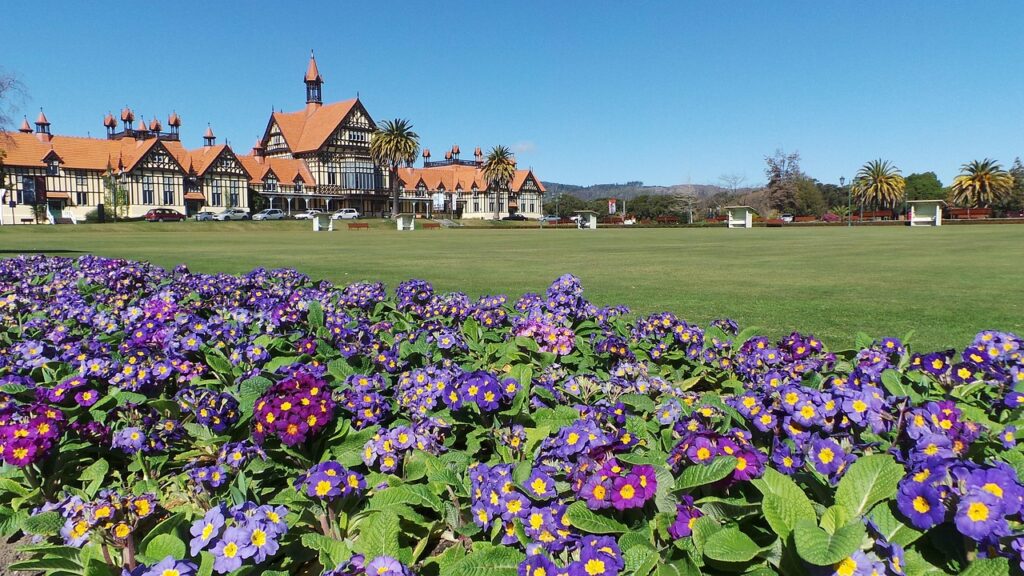
New Zealand is fast becoming a favourite choice for students from all over the world, and it’s easy to see why. Its universities offer top-quality teaching alongside a warm and welcoming atmosphere. Studying here is more than just attending lectures, since it’s also about joining a lively, multicultural community where you can grow academically, socially, and personally. With breathtaking landscapes, safe communities, and people from many different cultures, New Zealand gives you more than an education as it gives you a chance to truly study in New Zealand and enjoy life at the same time. It’s important to get a sense of what life is like for international students in New Zealand. Beyond studying, you’ll meet people from diverse backgrounds, try new traditions, and gain skills that will help you in your career and life. Social events, cultural experiences, and leisure activities are all part of the journey. This guide will take you through three main areas: campus life and culture, a typical day for a student, and the student support services in New Zealand that are available. By the end, you’ll have a clear picture of what it’s like to live and study at New Zealand universities for international students. Campus life and culture New Zealand universities are known for being friendly and inclusive. From the moment you arrive on campus, you’ll feel welcome in a relaxed and open environment. Students from across the globe come together, creating a vibrant, multicultural community where sharing ideas and learning from each other is part of everyday life. Making friends is easy because most students are approachable and happy to help. Campus facilities are built with students in mind. Libraries provide quiet spaces for focused study, while cafes and lounges are perfect for catching up with friends or taking a break. Sports centres and outdoor areas encourage you to stay active and healthy. There are also clubs, societies, and events to explore your interests and try new activities. For example, the University of Otago hosts Orientation Week every year, full of concerts, games, and social events to help new students settle in. Joining these activities gives you a real taste of international student life in New Zealand, making your time at university both fun and memorable. Daily life as a student A student’s day in New Zealand is a mix of study, personal growth, and free time. You might start with lectures or tutorials, where discussions help you understand your subjects. Between classes, you can study in the library, attend workshops, or work on group projects. Evenings are often for socialising, exercising, or exploring local cafés and cultural spots. Managing your time well is key to balancing study with other activities. Getting around is simple. Many students walk or cycle on campus, while public transport is available for longer journeys. Planning your day carefully allows you to fit in lectures, study sessions, exercise, and leisure without stress. Working on group projects helps develop teamwork and communication skills, while participating in discussions strengthens critical thinking. By organising your schedule and using campus resources, you can enjoy both life and learning, making the most of living and studying in New Zealand. Support and opportunities New Zealand universities provide a wide range of support to help you succeed. Academic assistance includes tutoring, study groups, and career advice. Professors and advisors are available to guide you through coursework, research, and professional development. In New Zealand, universities provide a range of support for international students, including orientation sessions, language help, and counselling, ensuring you adjust smoothly and succeed in your studies. There are also many opportunities to gain real-world experience. Internships, part-time work, and volunteering help you build skills, explore careers, and connect with the local community. Universities organise excursions, cultural visits, and outdoor activities so you can enjoy New Zealand’s natural beauty and heritage. Taking part in these experiences not only enriches your life but also strengthens your CV. Using these resources helps boost your confidence, independence, and sense of belonging, making your time as a student truly unforgettable. Why studying in New Zealand is a unique experience Studying in New Zealand offers a wonderful combination of excellent education, lively campus life, and personal growth. The friendly environment, supportive community, and wide range of resources help you succeed academically and socially. Campus life encourages you to explore hobbies, make lasting friendships, and enjoy events that create memories to treasure. Choosing to study here is about more than books. You’ll gain practical skills, meet people from around the world, and create experiences that stay with you for life. Balancing academics, social life, and personal development prepares you for future challenges. Fully embracing student life shows that New Zealand is not just a place to study—it’s a place to live, learn, and grow. Grab your chance now with Global Visa Support’s official programmes and make your move to New Zealand easier and faster: http://globalvisasupport.com/nz.html. Don’t wait! Contact Global Visa Support today and let them fast-track your move to New Zealand: http://www.globalvisasupport.com/contact.html.

Experience Life as a Student at a New Zealand University Read More »

Practical work experience while studying in the USA

Build a Strong Career in the USA Through Internships and Co-op Programmes

In the United States, getting a degree alone is rarely enough to launch a successful career. Employers look for proof that students understand how real workplaces function, how teams collaborate, and how responsibilities are handled on a day-to-day basis. A qualification shows what you have studied, but practical experience demonstrates how you actually use that knowledge. For families investing in study in the USA, this difference can make all the difference. Without real exposure to professional environments, even talented graduates may struggle to stand out. This is where internships and co-op programmes in the USA become essential. They offer structured opportunities for students to gain hands-on experience while still studying, fully aligned with academic requirements and visa rules. Internships are generally shorter and often part-time, while co-op programmes tend to last longer and provide deeper involvement in professional tasks. Both give students the chance to bridge the gap between theory and real-world practice. Turning classroom learning into real skills Internships and co-op programmes give students the opportunity to step out of the classroom and into genuine work environments. What you learn in lectures is applied to real projects, deadlines, and responsibilities. This experience provides a clear understanding of how work really happens in the United States, where accountability, results, and teamwork are central. Learning becomes active, relevant, and purposeful, rather than purely theoretical. During these programmes, students develop practical workplace skills that employers highly value. They learn how to communicate professionally, collaborate effectively with colleagues, and respond appropriately to guidance. Time management becomes second nature as multiple responsibilities must be balanced. Students also gain an understanding of workplace standards such as punctuality, professionalism, and teamwork. These are abilities that cannot be fully acquired from lectures alone. Organisations in the United States place great importance on experience because it demonstrates readiness and reduces uncertainty. Internships and co-op placements offer this experience in a safe, structured environment. Over time, students gain confidence in how they present themselves, contribute to projects, and take responsibility. By the time graduation arrives, the transition into professional life feels natural rather than daunting. Building valuable professional relationships Professional relationships are a critical part of career growth in the United States. While qualifications matter, trust and recommendations often carry equal weight. Networking is not an optional extra; it is a central element of career development. Internships and co-op programmes allow students to cultivate these connections naturally, even while still studying. Students meet professionals who are already established in their chosen field, working alongside supervisors and colleagues who provide guidance based on real performance. Feedback from mentors helps students recognise their strengths and areas for improvement, enabling them to refine their skills and make better career decisions. Relationships formed in this way are built on shared responsibility and collaboration, not forced interactions. One of the most valuable outcomes is access to strong references and recommendation letters. In the United States, these are highly respected because they come from people who have seen the student’s work first-hand. Over time, these professional connections can guide career direction, open doors to new opportunities, and provide long-term support well beyond graduation. Gaining clarity and planning for the future Many students begin university without a clear sense of which career suits them best. Internships and co-op programmes offer a practical way to explore different roles, industries, and work environments before making long-term decisions. By experiencing daily responsibilities and observing workplace dynamics, students gain insights that coursework alone cannot provide. This exposure helps students understand their strengths, the types of work that motivate them, and the environments where they perform best. With this knowledge, career choices are informed and confident, rather than guesswork. Students are less likely to commit to paths that do not align with their skills or values. Strong performance during internships or co-op placements can even lead to ongoing opportunities with the same organisation after graduation. Even if this does not happen, the experience remains highly valuable. Employers recognise candidates who have proven themselves in real settings. Short placements can have long-lasting benefits by strengthening profiles, improving decision-making, and shaping future career opportunities. A practical investment in a US career Internships and co-op programmes support students at every stage of early career development. They provide practical skills, professional exposure, and meaningful connections before graduation. Rather than simply observing the professional world, students actively participate in it. Each experience boosts confidence and deepens understanding of how careers develop in the United States. These programmes allow students to start their careers with clarity and assurance. Graduates know what is expected of them, how to contribute effectively, and where they want to progress. Internships and co-op placements are not optional extras; they are structured pathways that link education with long-term career success. Explore Global Visa Support’s most in-demand programmes today and secure the right pathway to move to the United States: https://www.globalvisasupport.com/usa.html. Global Visa Support offers expert, trusted guidance. Get in touch today and begin your move to the USA before valuable opportunities pass you by: https://globalvisasupport.com/contact.html.

Build a Strong Career in the USA Through Internships and Co-op Programmes Read More »

study in canada

Experience Canadian Student Life: From Classes to Campus Fun

Canada has become one of the most popular places for students from all over the world. Every year, thousands of international students choose Canada because it has excellent education, a safe environment, and a welcoming culture. Many families see this as a great chance for their children to study in Canada and gain experiences that will benefit them for life. No matter if you are interested in technology, business, arts, or healthcare, colleges and universities in Canada have courses in almost every field. On campus, you will meet students from many different backgrounds. This is a great chance to learn about other cultures and ways of thinking. The mix of students makes life on campus lively and gives you many experiences outside the classroom. Academic life Your studies in Canada will depend on whether you go to a college or a university. Colleges usually focus on practical learning, like workshops, labs, and smaller classes. Universities focus more on theory, research, and bigger lecture-style classes. You will attend lectures, join seminars, and complete assignments that check both your knowledge and your creativity. Group projects are very common. They help you learn how to work with others and manage responsibilities. Labs, workshops, and co-op programmes let you practise what you learn, which prepares you for real-life jobs. Managing your workload needs planning and discipline. Exams and assignments happen across the semester, so having a study routine is very important. Many students use libraries, online resources, and study groups to stay organised. Outside class, there are also internships and research opportunities. These let you get real experience and improve your CV. To do well, take part in class, ask questions, and use the support services on campus. Canadian colleges and universities have excellent facilities and resources. If you balance focus with curiosity, you will not just learn but really thrive in Canada’s education system. Social life Life outside the classroom in Canada is just as exciting as studying. Every campus has student clubs, cultural groups, and sports teams. These let you explore hobbies, meet friends, and enjoy your time. Art shows, music events, and cultural festivals happen often, so you can experience Canada’s diversity directly. Many universities have yearly events like winter festivals, international food fairs, or charity runs, which make great memories. Making friends might feel a little difficult at first, especially if you are an international student. But Canadian campuses are very welcoming. You can meet people through clubs, study groups, or informal social events. Balancing studying with social life is important. Joining activities can help you feel less stressed and also teach you soft skills and leadership. Some universities have fun traditions, like scavenger hunts or themed weeks, which make life on campus even more exciting. Joining in these activities helps you enjoy your time and feel connected to your campus community. Experiencing international education Canada offers is very rewarding. You get to experience different cultures and make friends that can last a lifetime. Daily life and challenges Daily life as a student in Canada has both comforts and responsibilities. For housing, you can choose on-campus halls, shared flats, or private rentals. Halls are close to classes and campus events, while living off-campus gives more freedom but you need to plan your budget carefully. It’s important to understand the cost of living. You will need money for food, travel, and personal needs. Many students cook at home to save money, and public transport in most cities is easy to use. The weather also affects daily life. Winters can be long and cold, so having the right clothes is important. Common challenges include feeling homesick, balancing part-time work with studies, and adjusting to a new culture. To manage these, you can join support groups, use campus wellness programmes, or keep in touch with family and friends online. By making a routine and using the resources available, you can handle challenges successfully. Many families also need guidance on visas, and applying for a Canadian student visa is an important step before arrival. Studying in Canada teaches adaptability and independence, offering opportunities to grow academically and personally while experiencing life in a new country. Wrapping up life on campus Life as a student in Canada is a mix of challenging studies, fun social experiences, and daily routines that help you grow. You will attend lectures, complete assignments, and take part in projects that develop your skills. At the same time, clubs, festivals, and campus traditions give you chances to make friends and try new activities. Managing housing, costs, and cultural adjustments becomes part of everyday life, teaching independence and resilience. Want an easy way to move to Canada? Find the perfect programme today with Global Visa Support: http://globalvisasupport.com/canada.html. Ready to start your journey to Canada? Book an appointment with the Global Visa Support team now: http://www.globalvisasupport.com/contact.html.

Experience Canadian Student Life: From Classes to Campus Fun Read More »

girl picking out a book in the library

Enjoy Great Stories from the United Kingdom at Book Events

The United Kingdom has a long and rich history of storytelling. From the classic books of Jane Austen and William Shakespeare to the modern stories of J.K. Rowling and Zadie Smith, British writers have shared ideas that have touched people all over the world. These books are more than just stories—they show the history, culture, and imagination of the UK. When you join events like book fairs, author talks, or writing workshops, you can enjoy these stories in a new and exciting way. You can meet authors, hear them speak, and share your love of books with others. It’s a great chance to enjoy British literature while making new friends who enjoy reading just like you. Discover well-known and up-and-coming British writers At book events across the United Kingdom, you can discover both famous British writers and new authors. You might get the chance to listen to stories by well-known writers like Charles Dickens or Virginia Woolf, and also hear about exciting new books from today’s authors. These events celebrate all kinds of British literature and help you learn about the people who create these stories. Whether you enjoy crime novels, historical tales, or poetry, there is something for you to enjoy. Meeting authors in person is a special thing. You can ask them questions, listen to stories about how they write, and hear them read their books out loud. Many authors talk about how places and culture in Britain help them in their writing. These moments help you understand the book better — why it was written and what it means. All of a sudden, the stories come alive, and the characters feel real. Book events make reading more exciting and help you feel connected to British writing. Learn about different British stories and genres British books tell many kinds of stories that show the country’s history, culture, and everyday life. At book events, you can explore different types of books, like exciting mysteries, magical adventures, old legends, or love stories. You might enjoy a poem about city life, follow Sherlock Holmes on a mystery, or read a romance by Jane Austen. And each story helps you learn more about the United Kingdom—its places, people, and past. Many book events have fun themes that help you explore different kinds of stories. For example, one event might focus on old Welsh legends, while another might dive into spooky gothic tales or the magical world of Scottish folklore. These themes make the stories vivid and turn reading into an exciting journey. Some book fairs make things extra fun by using music, costumes, and decorations that match the stories. This helps bring the books to life and lets you enjoy them in a new way. You might even discover a new type of story you didn’t expect to enjoy. Enjoy fun activities and meet other book lovers In the UK, book events are fun and welcoming. You can meet authors, enjoy live storytelling, join workshops, or play book-themed games and quizzes. There are even special areas for kids with crafts and activities inspired by British stories. These events make reading more exciting and help people enjoy books together. At book events in the UK, you’ll meet people who enjoy reading just like you. You can chat about your favourite books, share ideas, and maybe even make new friends. Whether you come alone or with someone, you’ll feel welcome and part of a fun reading community. These events become a chance to not just discover books but also enjoy stories together with people of all ages and backgrounds. Why book events make British stories special A great way to enjoy British books is by going to book events. You can dive into stories, talk with writers, and join fun activities that make books feel real. These events let you discover many kinds of UK writers, from famous classic authors to new voices. Each talk, book, or activity helps you understand stories from the United Kingdom better. Whether you go to a book event in person or join online, you become part of a group that loves books. You will find stories that teach you new things, inspire you, or change how you see the world. Book events show us that reading is not only about sitting alone with a book; it is also about sharing, learning, and making friends. British stories speak to readers of all ages and from around the world. Attending a book event starts a unique adventure that might help you discover your new favourite story. Are you tired of not knowing how to move to the UK? LetGlobal Visa Support’s programmes help you at every step: http://globalvisasupport.com/uk.html.   Do you want to move to the UK? Share your plans with Global Visa Support, and they’ll guide you every step of the way: http://www.globalvisasupport.com/contact.html.

Enjoy Great Stories from the United Kingdom at Book Events Read More »

How Art is Taught and Shared in New Zealand Communities

Art helps you share stories, feelings, and ideas without using words. It turns empty spaces into something special and brings people together. In New Zealand, art is part of everyday life, from colourful street murals to creative lessons in school, showing that creativity is valued and shared by everyone. Teaching art in schools In New Zealand, you start learning about art when you are very young. In primary school, you try music, stories, weaving, and painting to help you be creative. You learn about the history of Māori and Pacific designs while playing with colours, shapes, and patterns. This shows how art helps you make sense of the world. When you move on to secondary school, art lessons become more focused, giving you chances to join exhibitions, work on group projects, and explore digital art—all of which help you share your ideas and understand the cultural meaning behind each art form. Art teachers do more than just show you the basics. They help you think deeply, solve problems, and express yourself. Many teachers are part of the local art community, so they bring real passion to class. With their help, you learn new skills and gain confidence. You also learn how art connects to language, history, and society. This helps you respect different cultures and see the world in many ways. Fun projects and activities for everyone In New Zealand, art is not just something you learn at school—it’s part of the community, too. Local libraries, community centres, and councils offer fun activities like painting sessions, pottery classes, and mural projects. These events are open to everyone and give you the chance to be creative, meet new people, and make art a part of your everyday life. These art programs are special because they welcome everyone. It doesn’t matter if you are older, new to the country, or a young person still learning about yourself—there is a place for you. Many events show Māori and Pasifika art, and you can learn from people who know these cultures well. People of all ages come together for weaving lessons or festivals to enjoy and share culture. In small towns, people use public art to make plain spaces beautiful and meaningful. They create big carvings or artworks from recycled materials, showing how the community works together. These projects bring people closer, give you a chance to share your ideas, and help you feel like a valued part of your town’s culture. Art is for everyone In New Zealand, lots of individuals and organisations help promote and support the arts. One of them is Creative New Zealand, a national organisation that gives funding and help to artists and communities. With their support, people can join art classes, festivals, and exhibitions — not just in big cities, but in small towns too. Young people also get a chance to learn new skills and explore careers in the arts. This support shows that art is an important part of New Zealand’s culture and everyday life. In New Zealand, art is part of everyday life. You can find it in pop-up galleries, colourful murals, and sculptures in parks. Many of these are made through the teamwork of artists, schools, local Māori groups (iwi), and businesses. Even if you live far from a city, you can still enjoy and learn about art. Online tools let you join live art events, watch tutorials, or take part in art challenges from your own home. With support from the government and easy access through technology, art becomes something you can enjoy, take part in, and grow with every day. Art’s role in supporting people and communities in New Zealand In New Zealand, art is everywhere — not just in galleries, but also in schools, parks, libraries, and community centres. From a young age, people are encouraged to be creative through fun activities and programs. Whether you’re painting in class, joining an online art event, or helping with a community mural, you’re part of a country that celebrates self-expression and welcomes different cultures. Art is more than just something to look at — it helps you feel confident, understand yourself, and connect with others. By learning about different styles and cultures, you start to see the world in new ways. Art becomes a shared language that brings people of all ages and backgrounds together. With strong support from the government and communities in New Zealand, creativity is seen as something important. It helps people feel included, celebrate culture, and work together for a better future. Moving to New Zealand is easier with Global Visa Support’s programmes — so there’s no need to worry: http://globalvisasupport.com/nz.html. Get help from Global Visa Support’s experts to make moving to New Zealand easier and more successful: http://www.globalvisasupport.com/contact.html.

How Art is Taught and Shared in New Zealand Communities Read More »

New Business and Investment Ideas in the US Market

The United States has one of the most active and diverse markets in the world. It has the largest economy, a strong legal system, and many consumers. Whether you want to start a small business or invest your money, the US offersmany good opportunities. And your success will come from being creative, planning well, and making smart choices. New business opportunities in growing US industries You can benefit from fast-growing industries in the US that are changing the economy. Technology is leading the way, with many jobs available in cybersecurity, software, and artificial intelligence. Green energy is also growing, as more people choose eco-friendly packaging, electric cars, and solar power. Healthcare is needed more than ever, creating new opportunities in wellness coaching, online doctor services, and care for older people. Online shopping is also becoming more popular, with more people buying things online and having these delivered to their homes. These growing industries are not only for experts or big companies. You can start small and still do well. For example, you could create a mobile app that addresses common daily issues. You could also sell eco-friendly products online or offer support services to doctors and health workers. If you enjoy working with your hands, you might open a small shop that fixes electric bikes. Or, if you like helping others, you could help local businesses build their websites and sell online. People today want services that are fast, easy, and good for the planet. With a good plan and the right tools, you can find your place in these fast-growing industries and build something meaningful. Popular investment options and why people like them In the United States, there are many simple ways to invest your money. Some people choose to buy shares in strong companies because this can help their money grow over time. Others invest in houses or apartments, which can give steady income from rent and an increase in value over the years. You can also put your money into mutual funds, which spread your investment across many companies. This helps lower the risk while still giving you a chance to earn. If you’re open to taking more risks, you might invest in new businesses, especially in tech, health, or green energy, which can give big rewards if they succeed. More people are changing the way they invest. Many now prefer to support companies that are good for people and the environment—these are called ethical or ESG investments. Some prefer tech-driven funds, where computers and artificial intelligence handle the investments. If you’re new to investing, it’s important to know what you want to achieve and how much risk you can handle. If you prefer to play it safe, government bonds and index funds are good options. But if you’re open to more risk, you might look into tech companies or funds that aim for faster growth. Always take time to learn, start small, and use trusted platforms. Investing isn’t about luck—it’s about smart choices and good timing. Get ready to succeed in the US market To succeed in the US market, the first thing you need to do is learn about it. Find out what your customers need, what they like, and how they spend their money. Look at your competitors to see what they sell, how much they charge, and what is popular. This will help you create a product or service that solves real problems and is different from others. Research also helps you decide the best time and place to start, and how to promote your business. You should also make sure to handle the legal and financial aspects of your business properly. Make sure your business is properly registered, get the right licences, and follow tax rules. You can explore ways to get funding, like small business loans, private investors, or help from the government. Try to build a network by connecting with other business owners, experts, and mentors — they can share helpful advice and open new opportunities. Take advantage of digital tools to create your online profile, simplify everyday tasks, and monitor your growth. Important steps to start and grow in the US market Whether you want to grow your investments or start a business, the US market has many exciting opportunities for you. Fast-growing areas like technology, green energy, healthcare, and online shopping offer great opportunities. You can also build your money and help important future industries in the United States by investing in things like stocks, property, mutual funds, and ethical businesses. If you plan ahead, adapt quickly, and keep learning, you can succeed in the US market. Having the right attitude and a clear plan helps you build something strong and lasting. Are you unsure about how to move to the United States? LetGlobal Visa Support’s programmes guide you in getting started: https://www.globalvisasupport.com/usa.html. With Global Visa Support, you can avoid stress and getexpert help with your move to the United States: https://globalvisasupport.com/contact.html.

New Business and Investment Ideas in the US Market Read More »

How Holidays in Canada Celebrate Different Cultures

When you think of Canada, picture more than snowy mountains and maple syrup. Think of a country where people from all over the world live together and share their cultures. From one coast to the other, Canada is full of different people with different backgrounds. This mix of cultures can be seen in the way people celebrate holidays across Canada. Whether it’s a national event or a cultural festival, each one becomes a chance to enjoy food, music, stories, and traditions shared by people from different backgrounds. How culture shapes Canada’s national holidays Canada’s national holidays have changed a lot over time. Take Canada Day, for example — it’s no longer just about waving flags and watching fireworks. Across cities and towns, people celebrate with colourful parades that include Chinese drummers, Filipino martial artists, and Caribbean dancers. At the same time, street fairs offer foods from around the world, like jerk chicken and butter chicken. Music in many different languages plays everywhere, turning the whole day into a joyful celebration of Canada’s many cultures living side by side. Thanksgiving in Canada is a time for people to come together and give thanks for the good things in life. It’s a special day to share moments with family and friends, no matter where you come from. While some families still enjoy traditional foods like turkey, many also serve dishes from their own cultures. You might find tamales, samosas, or lumpia on the table. Victoria Day began as a celebration of Queen Victoria’s birthday, as she was the monarch when Canada became a country. But over time, it has changed. Today, many people see it as the start of summer. Communities come together for picnics, fireworks, music, and multicultural events. The day still remembers Canada’s history, but it also shows how the country has grown. Cultural holidays that people in Canada celebrate In Canada, cultural holidays are for everyone, not just the people who grew up with them. For example, during Chinese New Year in cities like Vancouver or Toronto, you might enjoy lion dances, see red lanterns in the sky, and smell delicious dumplings cooking on the streets. These celebrations are open to all, and everyone is welcome to join the fun, learn something new, and enjoy traditions that bring communities together. During Diwali, neighbourhoods in Canada become bright and joyful as people share tasty Indian food, tell stories about the holiday, and watch traditional dances at events held in parks, libraries, and schools—not just in temples or homes. Eid al-Fitr is a warm and welcoming celebration for the whole community. Many Muslim families share food and sweets, invite neighbours to visit their homes, and take part in giving to charity. Schools also teach children about Eid and Ramadan, so everyone understands why these days are important. Local and community celebrations Local festivals across Canada celebrate culture in exciting and colourful ways. When you go to Toronto’s Caribana, you see bright costumes, hear loud music, and watch people dancing in the streets. It’s a huge party that shows the pride and history of Caribbean people. Millions of people come and join the festivities, not only those from the Caribbean. Everyone is welcome, and you can feel the culture through the music, colours, and the friendly community spirit. St. Jean Baptiste Day is a happy and proud day to celebrate French history in Quebec. You will see parades, hear people singing in French, and see blue and white flags waving. It is a good time to learn about Quebec’s culture. Indigenous people all over Canada also celebrate their First Nations, Métis, and Inuit traditions with powwows and special events. You can watch dances, hear strong drum beats, and see beautiful traditional clothes. Everyone can join these events. They are a great way to learn, make friends, and celebrate important traditions with pride. How Canadian holidays help us understand culture Holidays in Canada are more than just time off from work or school—they show the country’s many different cultures coming together. When Canadians celebrate local, cultural, and national holidays, they share traditions from French history, Indigenous peoples, and people who moved here from all over the world. These celebrations bring everyone closer by sharing food, music, clothes, and stories. Holidays help us understand people’s backgrounds and what connects them to Canada. Worried about moving to Canada? Let Global Visa Support’s helpful and easy programmes guide you to a successful move: http://globalvisasupport.com/canada.html. Get help from the friendly team at Global Visa Support today to help you move to Canada faster: http://www.globalvisasupport.com/contact.html.

How Holidays in Canada Celebrate Different Cultures Read More »

Green Spaces, City Parks, and How the United Kingdom Cares for Nature

Walking through a green space helps you relax, slows your pace, and quiets the noise of the city. These natural areas do more than just offer peace—they also clean the air, connect communities, and improve yourhealth. In the United Kingdom, green spaces are very important. These spaces are created and cared for so that both people and animals can live well. Even in busy cities, you can find open fields, tree-lined paths, and clean parks where you can breathe fresh air. What green spaces are and why they are important Green spaces are areas in cities and towns where you can find grass, trees, flowers, and other plants. These include parks, community gardens, walking paths, river sides, and small forests. In the UK, green spaces are never far away. It could be a quiet garden behind shops or a big park in the city centre. These places are there so you can enjoy nature close to where you live, work, or study. Spending time in green spaces is good for your body and mind. A short walk in the shade can help you feel less stressed. Cleaner air helps you breathe better and makes you feel happier. Children learn more when they play outside. Doing some exercise, breathing fresh air, or having a picnic with friends can make your day better. These green areas also keep towns cooler, reduce pollution, and provide homes for animals and birds. You might see wildflowers near train stations, birds living in city trees, and bees flying in gardens on rooftops. In the UK, green spaces are carefully planned to make your home and town healthier, greener, and more enjoyable. Famous city parks in the UK and why they are special City parks in the UK are open spaces that are part of the country’s history and culture. In London, Hyde Park has 350 acres of trees, grass, and paths to walk on and explore. It used to be a place for royal hunting, but now it has become the venue for music events, peaceful walks by the Serpentine lake, and talks at Speakers’ Corner. In Edinburgh, Princes Street Gardens sit below Edinburgh Castle, offering beautiful views, colourful flowers, and a quiet place away from the busy city. In Liverpool, Sefton Park is special for its old palm house, waterfalls, and many birds. These parks are created with you in mind. They offer playgrounds for children, peaceful spots by the water for families, and cosy cafés where friends can meet under the trees. You can also rent a pedal boat, visit a local market, or join a yoga class on weekends. Special events like winter fairs, fireworks, and outdoor movies make these parks lively places. It’s clear people don’t just care for the parks—they really love spending time in them. These places bring nature and people together, creating happy memories that last a long time. How the UK protects and cares for nature Taking care of green spaces in the UK is a team effort. The government, local councils, and ordinary people all work together. Big parks in London are managed by groups like The Royal Parks, while local councils look after parks in towns and cities. They make sure the parks stay clean, safe, and pleasant for everyone to enjoy. There are rules to protect these green spaces from being built on, so everyone can enjoy them. The UK goes beyond simply protecting its green spaces. New projects help bring nature back to places you wouldn’t expect, like busy towns or city centres. By leaving some areas wild, animals like foxes, butterflies, and birds can have safe homes. Local councils add trees and flowers to city areas to support wildlife and improve air quality. They also create green routes that connect parks, gardens, and rivers, so animals have safe places. There are many projects to protect and improve green spaces, like planting trees, cleaning up parks, and caring for gardens. Donations and fundraising support these efforts. You can help by volunteering for these activities and projects. This shows that in the UK, everyone works together to look after nature. Nature is a big part of life in the UK In the UK, green spaces help people and animals every day. Parks, gardens, and nature paths help clean the air, keep people healthy, and give animals homes. Whether you’re walking in Hyde Park, London, or sitting by a quiet river in a small village, you’re enjoying a place that people all across the country love and look after so it lasts a long time. This is a great time to explore Global Visa Support programmesthat can make your move to the UK simple and stress-free: http://globalvisasupport.com/uk.html. Get great help to quickly move to the UK—just send a message to Global Visa Support today: http://www.globalvisasupport.com/contact.html.

Green Spaces, City Parks, and How the United Kingdom Cares for Nature Read More »

Taking Care of Pets and Animals in New Zealand

In New Zealand, pets are treated as beloved friends who add happiness and warmth to everyday life. Whether it’s a playful dog, a curious cat, or even a quirky pet bird, people in New Zealand genuinely adore their animals and treat them like part of the family. Taking care of animals in New Zealand shows deep respect for life and nature. It’s not just about giving them food and a place to live. People care for their pets and local wildlife in a way that helps animals stay happy and healthy in their homes. Popular pets in New Zealand and how to take care of them Dogs and cats are the most widely kept and loved pets across New Zealand. People love them because they are loyal and friendly. Many families also have birds like parrots and budgies. Each pet needs special care. For example, cats like quiet places and toys to play with, and dogs need regular walks and time to play. All pets need healthy food and cleaning to stay happy. Birds must have clean cages and toys to keep their minds active.  New Zealand’s changing weather makes it harder to take care of pets. In summer, pets need to stay cool and drink plenty of water. In winter, they need a warm and comfortable place to stay. There are also strict rules to stop the spread of sickness and harmful insects. These rules are important for keeping all animals, including pets, safe and healthy. If your pet spends time outside, you also need to protect it from wild animals and other dangers in nature. By understanding these rules and outdoor risks, you can take better care of your pet. Animal care rules and laws New Zealand cares a lot about protecting animals and has some of the strongest laws to do this. The Animal Welfare Act sets clear rules to make sure animals do not suffer, feel stressed, or get ignored. As a pet owner, you must give your pet good food, clean water, a safe place to live, and medical care when needed. The law also allows officials to step in if animals are being treated badly, and it expects you to avoid causing any unnecessary pain to your pets. These rules protect not only pets but also New Zealand’s special native animals. They help prevent illnesses that could be dangerous to these animals. By following these laws, you care for your pets and help keep the naturalenvironment safe. The laws also remind us that looking after animals is both a duty and a way to build a strong connection between people and animals. Helping animals as a community In New Zealand, animal shelters and rescue groups are very important. They help animals that are hurt, lost, or abandoned. These groups give animals medicine, a safe place to stay, and help them get better. When you adopt a pet from a shelter, you give the animal a new home and help support the shelter and its workers who care for many other animals. Many shelters also teach pet owners how to look after their pets well, so the animals get love and care for their whole lives. All over New Zealand, communities help people learn how to take good care of their pets. They do this by holding talks and activities about pet behaviour, training, and health. Neighbours and local groups often work together to help lost or stray animals by sharing information, caring for them for a short time, and working with animal shelters. This teamwork helps make neighbourhoods safer and kinder for both people and animals. Why caring for pets and animals is important in New Zealand In New Zealand, caring for pets and animals is a responsibility that goes beyond just your home—it involves the whole community working together. When everyone follows the rules, cares for their pets every day, and helps one another, animals can live healthy and safe lives. By doing your part, like feeding and exercising your pets and knowing your responsibilities, you help protect not only pets but also New Zealand’s special wildlife and environment. Taking care of pets is not just good for the animals, since it also helps the whole community. When people feed, clean, and look after their pets, there are fewer problems like stray animals or noise. This makes neighbourhoods safer and more peaceful. Helping shelters or learning more about pet care also brings people together. It builds a community where people show respect, kindness, and love — not just to animals, but to each other too.   Are you ready to move to New Zealand? Start by making a good plan, and find the best programme at Global Visa Support to help make it happen: http://globalvisasupport.com/nz.html. See how moving to New Zealand can be easier with help from the experts at Global Visa Support: http://www.globalvisasupport.com/contact.html.

Taking Care of Pets and Animals in New Zealand Read More »

How People Celebrate Different Cultures, Local Festivals, and Cultural Events in the United States

The United States is a country full of different cultures, each with its own unique traditions, languages, and history. Together, they make the country unique. Festivals and cultural events are important because they bring people from all backgrounds together. These events are more than just fun— they help people remember their heritage, share stories, and show respect for each other. At these celebrations, you can enjoy colourful parades, traditional music, and delicious food from many cultures. Why cultural holidays are important Cultural festivals are special events where people celebrate their history, traditions, and culture. They are important because they help people feel proud of where they come from and keep their culture alive. When you go to a cultural festival, you see stories and traditions that have been shared for many years. These events offer an opportunity to discover new traditions and help people appreciate and respect one another more deeply. At these events, you’ll see what makes each culture special. You might taste traditional food with interesting flavours, hear music that mixes old and new styles, and watch dances that tell stories or show joy. People often wear colourful clothes that show pride in their culture and are made with great care. All these things help you learn and enjoy a culture in a fun way. When you join these celebrations, you have fun and also learn about the history and values of different communities. Cultural celebrations in different communities Local celebrations across the US show you the special traditions of different cultural groups. For example, during the Chinese New Year in San Francisco, you can see bright lanterns, dragon dances, and enjoy traditional Chinese food. It is a fun and respectful way to welcome the new lunar year. In Texas and California, people celebrate Hispanic Heritage Month with colourful music, traditional dancing, and tasty food. These events show the important role of Hispanic communities. In many states, Native American powwows also take place. At these events, you can see traditional dancing, drum music, and handmade crafts that honour Native American culture and beliefs. These celebrations are fun, and they also make people feel proud of their culture. When you join, you can see how they help others learn about different cultures, break stereotypes, and teach people to respect each other. These gatherings unite people from various backgrounds to share experiences and learn from each other. By joining local celebrations, you help keep cultures alive and support peace and unity in the diverse society of the United States. How cultural events bring people together Cultural events are a wonderful way to connect people. They help different communities understand and respect each other. When you go to a festival, you join a shared space where people celebrate different cultures. You can try new food, listen to music, and watch dances from around the world. These fun experiences help people connect, talk, and make new friends. People from different backgrounds often become friends at these events as they find fun ways to celebrate together. At a food market, strangers might enjoy a meal together, or neighbours might dance side by side in a parade. These happy moments show how cultural festivals help people understand and care for each other. Joining these events helps create a kind and welcoming community where people see differences as something valuable and special. Bringing people together through cultural events Celebrating different cultures with festivals and events is an important part of being in the United States. These events show respect for the special customs and history of many groups. When you join local celebrations, you learn about the stories and traditions that are part of your neighbours’ lives. This helps you understand more about the many different people who live in the United States. When you go to cultural events, you help bring the community closer together. These celebrations give you a chance to learn, meet new people, and enjoy the special traditions that connect everyone. When different groups share their customs openly, people learn to respect each other, and barriers disappear. This helps create peace and teamwork, making the community stronger. Enjoying festivals and different cultures is more than just having fun — it helps build a happier and united society for everyone. Use the great programmes from Global Visa Support to helpyou move to the United States more easily: https://www.globalvisasupport.com/usa.html. Get ready to move to the USA by getting assistance from the expert team at Global Visa Support: https://globalvisasupport.com/contact.html.

How People Celebrate Different Cultures, Local Festivals, and Cultural Events in the United States Read More »